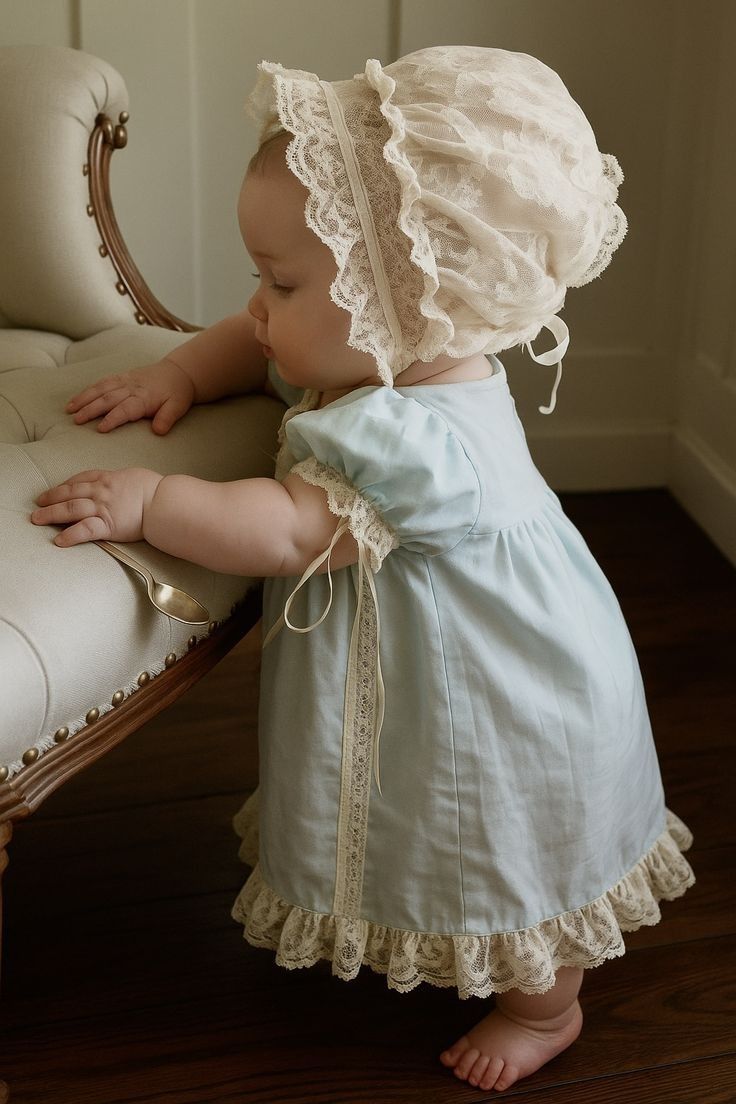
The Timeless Charm of Vintage Baby Clothes: A Complete Guide for Modern Parents
If you’ve ever found yourself staring at old family albums and thinking, “Why don’t baby clothes look like this anymore?”—you’re definitely not alone. Vintage baby clothes have made a huge comeback, and for good reason. They’re charming, soft, sentimental, and often far better quality than many fast-fashion kids’ outfits today.
Whether you’re a new parent, a grandma-in-training, or simply someone who loves old-world aesthetics, this guide will walk you through everything you need to know about choosing, styling, and caring for vintage baby clothes.
Why Vintage Baby Clothes Are Coming Back
There’s something magical about dressing a tiny baby in clothing that looks like it belongs in a storybook. But it’s not just about aesthetics. Vintage pieces often reflect craftsmanship, durability, and love in every stitch.
Below are the biggest reasons why parents today are reaching for retro charm.
1. Better Quality Than Many Modern Options
Vintage baby clothing—especially from the 1950s to 1980s—was crafted to last. Natural fibers, strong seams, hand-embroidered details… all the things we rarely see in today’s mass-produced outfits.
Imagine comparing a hand-crocheted cardigan from your grandmother’s era to a thin, synthetic cardigan bought today. One feels like a warm hug; the other feels like, well, plastic.
2. A Unique Nostalgic Aesthetic
Peter Pan collars, smocked dresses, knitted rompers, lace socks, embroidered bibs—these designs are timeless and beautifully delicate.
You’re not just dressing your baby; you’re creating little memories that resemble snapshots from a classic movie.
3. Eco-Friendly and Sustainable
Buying vintage—or vintage-style—baby clothes reduces waste, supports slow fashion, and keeps garments out of landfills. Parents who are moving toward sustainable living love this aspect.
4. Perfect for Special Occasions
Think christenings, birthdays, photoshoots, or family gatherings. Vintage baby outfits bring elegance that stands out without feeling over-the-top.
Characteristics of Vintage Baby Clothes
Not every “old-looking” outfit is genuinely vintage. Here’s how to know what makes clothing truly vintage or vintage-inspired.
1. Natural, Breathable Fabrics
Cotton, wool, linen, muslin, and cashmere were commonly used. These fabrics are gentle on delicate baby skin and age gracefully over time.
2. Handcrafted Details
Look for:
- Smocking
- Hand embroidery
- Lace trims
- Crochet edges
- Pearl buttons
- Ruffled sleeves
Each detail tells a story.
3. Soft, Muted Color Palettes
Pastels dominated the earlier decades:
- Butter yellow
- Baby blue
- Soft pink
- Sage green
- Cream and ivory
The vibe is subtle, calming, and effortlessly beautiful.
4. Classic Silhouettes
Depending on the era, you’ll find:
- 1920s: Christening gowns, lace bonnets
- 1940s: Wool overalls, knitted bloomers
- 1950s: Smocked dresses, collared shirts
- 1970s: Corduroy sets, vintage rompers
- 1980s: Ruffled jumpsuits, appliqué tops
These silhouettes stand out because they never go out of style.
Popular Styles of Vintage Baby Clothes
1. Vintage Baby Rompers
Rompers from the 50s–70s featured balloon bottoms, button straps, and adorable embroidery. They are comfortable, breathable, and stylish for everyday wear.
2. Smocked Dresses
Nothing says vintage like a smocked baby dress. These dresses often come with puff sleeves, Peter Pan collars, and delicate stitching on the bodice.
3. Knitted Sweaters and Cardigans
Hand-knit baby clothes—especially in wool or cotton—are some of the most cherished heirlooms passed down through generations.
4. Vintage Baby Overalls
Corduroy, denim, and cotton overalls with adjustable straps and patch pockets are practical yet charming.
5. Bonnet Caps and Lace Hats
Before beanies and headbands became trendy, lace bonnets were the go-to accessory for newborns and toddlers.
6. Bloomers and Diaper Covers
Paired with dresses or tops, bloomers add that sweet puffed silhouette that instantly feels retro.
How to Style Vintage Baby Clothes (Without Overdoing It)
Styling vintage outfits doesn’t mean dressing your child like an antique doll. The key is balance—mixing retro charm with modern comfort.
Here’s how:
1. Mix Vintage With Modern Basics
Pairing a vintage cardigan with plain modern leggings makes the outfit comfortable yet unique.
Example:
- Vintage smocked top + stretchy leggings
- Hand-knitted sweater + cotton onesie
- Retro romper + modern soft-soled shoes
2. Keep the Colors Soft
Neutral shades make vintage outfits look natural rather than costume-like.
3. Add Simple Accessories
Little touches go a long way:
- Bow headbands
- Lace socks
- Soft leather baby shoes
- Knitted bonnets
4. Choose Comfort First
While vintage styles are beautiful, babies need to move, crawl, and stretch. Make sure:
- Buttons are secure
- Fabric is soft
- No itchy lace touches the skin
5. Layer Thoughtfully
A vintage dress paired with a cozy cardigan and tights is both stylish and practical—perfect for cooler weather.
Where to Buy Vintage Baby Clothes
Finding the right pieces can be exciting—like a treasure hunt. Here are trusted places to explore:
1. Etsy Shops
Handmade and vintage sellers offer smocked dresses, bonnets, rompers, and restored classics.
2. Local Thrift Stores
You’d be surprised how many vintage gems hide in the baby section.
3. Antique Markets
Perfect for unique christening gowns, knitted sets, and heirloom garments.
4. Boutique Vintage Brands
Many modern brands create vintage-inspired baby clothes with retro patterns and silhouettes.
5. Family Heirlooms
Ask grandparents—they might have a box of baby clothes tucked away with stories attached.
Caring for Vintage Baby Clothes
Vintage fabrics are delicate and require a little extra love. Don’t worry—it’s easier than it sounds.
1. Hand Wash When Possible
Use mild detergent and cool water. Soak gently rather than scrubbing.
2. Avoid Harsh Dryers
Air drying keeps fibers intact and prevents shrinkage.
3. Store in Acid-Free Boxes
Especially for heirloom dresses or wool items.
4. Repair Instead of Replacing
Loose buttons, small tears, or weakened seams can be easily fixed with minimal stitching.
5. Keep Away From Direct Sunlight
Light can fade vintage dyes over time.
DIY: Make Your Own Vintage-Inspired Baby Clothes
If you enjoy crafting or sewing, making your own vintage baby outfits can be incredibly rewarding.
Simple Vintage DIY Ideas
1. Hand-Knitted Booties
Super soft, adorable, and perfect for gifting.
2. Lace-Trimmed Bloomers
All you need is cotton fabric, elastic, and lace trim.
3. Smocked Dress (Beginner-Friendly Options Available)
Many smocking kits come with pre-pleated fabric—no intimidating sewing needed.
4. Crochet Cardigans
Even beginners can create simple shell-pattern cardigans.
5. Embroidered Onesies
Add flowers, initials, or simple motifs for a vintage touch.
Think of it as creating tomorrow’s heirlooms today.
Why Vintage Baby Clothes Make Perfect Gifts
Whether for a baby shower or a first birthday, vintage outfits offer:
- Emotional value
- Uniqueness
- Longevity
- Craftsmanship
Unlike store-bought multipacks, these gifts become keepsakes—with sentimental stories attached.
Imagine gifting a hand-crocheted blanket that’s passed down through cousins and siblings. That’s the kind of impact vintage baby items make.
Final Thoughts: The Magic of Dressing Babies in Vintage Style
Vintage baby clothes bring together nostalgia, sustainability, and timeless beauty. Whether you’re collecting true vintage pieces or exploring vintage-inspired outfits, these garments allow you to celebrate tradition while making new memories.
You’re not just picking outfits—you’re weaving your baby into a story, one delicate stitch at a time.
So the next time you’re choosing baby clothes, consider adding a touch of vintage charm. Who knows? You might be starting an heirloom tradition of your own.
FAQs About Vintage Baby Clothes
1. Are vintage baby clothes safe for newborns?
Yes, as long as the fabrics are clean, soft, and free from loose buttons or decorations that could pose a choking hazard.
2. How do I know if a baby outfit is truly vintage?
Look for natural fibers, older labels, handcrafted details, and signs of age like gentle wear or classic silhouettes.
3. Can vintage clothes be machine-washed?
Some can, but hand washing is best for delicate pieces like lace, embroidery, or wool.
4. What sizes are easiest to find in vintage baby clothing?
Sizes 6–24 months are most common. Newborn sizes are rarer since babies outgrow them quickly.
5. Are vintage baby clothes expensive?
It depends—thrifted and handmade pieces can be very affordable, while heirloom or rare designs may cost more.