The Ultimate Guide to Hiking Shoes: How to Choose the Perfect Pair for Every Trail
If you’ve ever walked a trail in the wrong shoes, you know exactly how quickly a beautiful hike turns into a foot-aching nightmare. Whether you’re trekking up a rocky ridge or strolling through a forest path, the right hiking shoes make all the difference—not just for comfort, but for confidence, stability, and overall enjoyment.
This guide walks you through everything you need to know about hiking shoes: the types, materials, fit, features, and how to pick the perfect pair for your needs. Think of it as your friendly trail buddy giving you honest, practical advice before your next outdoor adventure.
Why Hiking Shoes Matter More Than You Think
Wearing proper hiking footwear isn’t just about looking the part. Hiking shoes are engineered to protect your feet, support your joints, prevent slips, and withstand rugged environments. Imagine bringing flip-flops to a mountain trail—your feet would file an immediate complaint.
Let’s break down the essentials so you can choose hiking shoes that match your hiking style and terrain.
Types of Hiking Footwear (and Which One You Really Need)
Not all hiking footwear is created equal. Each type serves a slightly different purpose depending on the trail, weather, and load you’re carrying.
1. Hiking Shoes
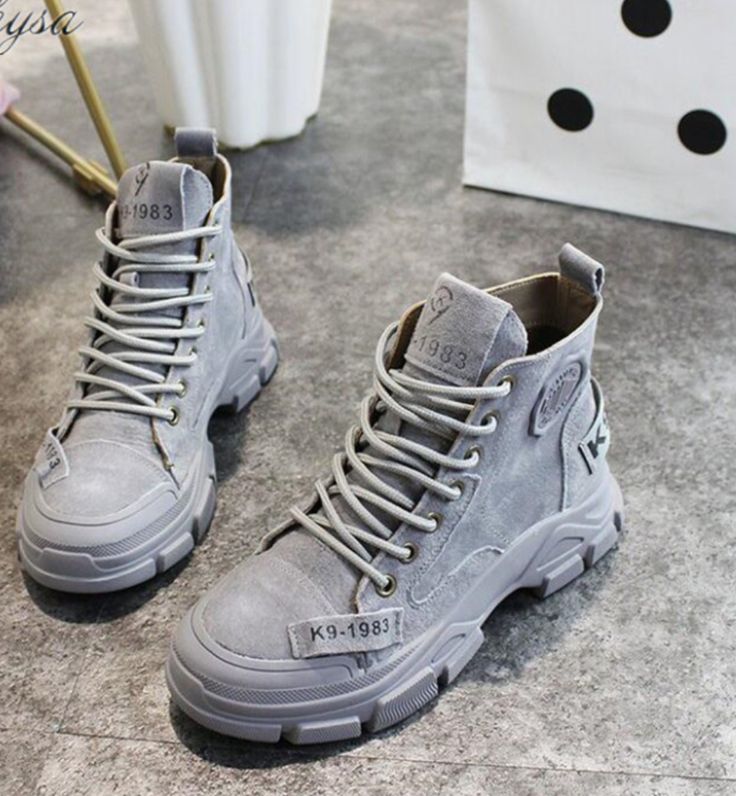
If trail running shoes and hiking boots had a child, hiking shoes would be it. They’re lightweight, flexible, and great for everyday trails.
Best For:
- Day hikes
- Well-maintained trails
- Beginners and casual hikers
- Travelers who want a versatile pair
Why You’ll Love Them:
Hiking shoes feel like athletic sneakers but offer sturdier soles and better traction. They’re perfect for people who want something breathable and comfortable without the bulk of boots.
2. Hiking Boots
These are the “classic” hiking footwear—durable, supportive, and built for tough terrain.
Best For:
- Long hikes
- Rocky or uneven trails
- Backpacking with heavier loads
- Ankle support needs
Why They Stand Out:
Hiking boots protect your ankles, making tricky terrain feel less intimidating. They’re heavier, but the tradeoff is excellent stability and durability.
3. Trail Running Shoes
Trail runners are essentially running shoes with aggressive tread patterns designed for dirt, mud, and gravel.
Best For:
- Speed hiking
- Ultralight hikers
- Smooth to moderately challenging trails
Pros:
Lightweight, breathable, and extremely comfortable. Many hikers swear by them for long distances—yes, even backpackers.
Cons:
Not as durable or protective as hiking shoes or boots.
4. Backpacking Boots
The “tanks” of the hiking world. These boots are meant for multiday treks, high elevations, and rough environments.
Best For:
- Multi-day hikes
- Rugged mountain terrain
- Heavy backpack loads
Why They’re Worth It:
They provide maximum stability and foot protection, especially on steep or rocky trails.
Key Features to Look For in Hiking Shoes
Choosing hiking shoes isn’t just about style—it’s about technology and engineering. Here’s what really matters when browsing options.
1. Fit and Comfort: The Deal-Breaker
Even the most expensive hiking shoes are useless if they don’t fit well. Hiking involves continuous movement, so your shoes need to accommodate swelling, friction, and impact.
Tips for the Best Fit
- Try shoes at the end of the day when your feet are slightly swollen.
- Wear your hiking socks during the fitting.
- Make sure there’s a thumb’s width of space at the toe.
- Your heel should lift slightly—but not slip excessively.
A good rule of thumb: if the shoes feel “okay” in the store, they’ll feel awful on a trail. Go for “great” or nothing.
2. Traction: Grip That Keeps You Grounded
Your hiking shoes’ outsoles determine how well you’ll handle mud, loose gravel, stream crossings, and even slippery roots.
Common Outsole Types
- Lug soles: Deep, chunky patterns for rugged terrain
- Sticky rubber soles: Better for wet or slick surfaces
- Standard trail soles: Balanced traction for mixed terrain
A good pair lets you move confidently on varied surfaces without feeling like every step is a gamble.
3. Support: Because Trails Aren’t Treadmills
Support includes arch support, ankle support, and midsole cushioning.
Midsoles Matter
Most hiking footwear uses:
- EVA: Lightweight, soft, flexible
- Polyurethane (PU): Durable, firm, great for heavy loads
If you have flat feet, high arches, or past injuries, consider choosing models designed with enhanced support—or add orthotic insoles.
4. Breathability and Waterproofing
These two features often compete with each other.
Breathable Hiking Shoes
Great for:
- Hot weather
- Dry climates
- Fast hiking
Waterproof (Gore-Tex or similar) Shoes
Perfect for:
- Wet or muddy conditions
- Snowy environments
- Stream crossings
Pro Tip: Waterproof shoes trap heat. If you’ve ever boiled your feet during a summer hike, you know the struggle.
5. Weight: Light, Mid, or Heavy?
Weight affects how fatigued you feel after several miles.
- Lightweight: Trail runners and hiking shoes
- Midweight: Mid-cut boots
- Heavyweight: Backpacking boots
Ask yourself: “Do I want durability or agility?” Then decide.
How to Choose the Perfect Hiking Shoes (Step-by-Step Guide)
Let’s simplify the decision-making process.
Step 1: Determine Your Hiking Style
Are you a weekend hiker? A thru-hiker? Someone who walks moderately easy trails?
Your hiking style is the #1 factor when selecting footwear.
Step 2: Consider the Terrain
Smooth forest paths: Hiking shoes or trail runners
Rocky or uneven terrain: Hiking boots
Mountains or steep ridges: Backpacking boots
Mud or wetlands: Waterproof hiking boots
Hot desert trails: Breathable, lightweight hiking shoes
Step 3: Factor in Weather Conditions
Is your region rainy? Dry? Hot? Cold? Seasonal?
Matching your shoes to the climate helps prevent blisters, sweating, and discomfort.
Step 4: Assess How Much Weight You’ll Carry
This one is often overlooked, but crucial.
- Little to no weight: Trail runners or light shoes
- Moderate weight: Mid-cut hiking boots
- Heavy backpacks: Sturdy backpacking boots
Step 5: Try Before You Buy
This step is everything.
Here’s a trick: walk uphill and downhill inside the store. If your toes jam on the descent or your heels slip too much, move on to the next pair.
Materials Matter: What Your Hiking Shoes Are Made Of
The materials determine durability, breathability, and comfort.
1. Leather
Full-grain leather
- Extremely durable
- Great for rocky terrain
- Not very breathable
Nubuck leather
- Durable but softer
- Resembles suede
- Slightly more flexible
2. Synthetic Fabrics
Materials like nylon, mesh, and polyester.
Pros
- Lightweight
- Breathable
- Dry quickly
Cons
- May wear out faster than leather
3. Waterproof Membranes
The most common: Gore-Tex or eVent
These create a barrier against water while allowing some airflow.
Hiking Shoes vs. Hiking Boots: Which Should You Choose?
Let’s break it down with a simple analogy.
Imagine you’re choosing between a small hatchback and an SUV. Both get you where you need to go, but offer different experiences.
Hiking Shoes = The Hatchback
Light, efficient, easy to handle. Great for everyday use.
Pros
- Lightweight
- Flexible
- Comfortable
- Easy to break in
Cons
- Less ankle support
- Not ideal for rough terrain
Hiking Boots = The SUV
Powerful, stable, and protective.
Pros
- Ankle stability
- Better support
- More durable
Cons
- Heavier
- Longer break-in time
How to Break In Your Hiking Shoes
Nothing ruins a hike like blisters. Breaking in your shoes is crucial—don’t skip it.
1. Wear Them Around the House
Start small. Wear your shoes while cooking, cleaning, or doing chores.
2. Take Short Walks
Add short walks around the neighborhood before hitting trails.
3. Hike Easy Trails First
Let your shoes get used to uneven terrain without pushing them too hard.
4. Wear Proper Hiking Socks
Socks matter more than most people realize.
Merino wool socks reduce friction and wick moisture—two things that keep blisters away.
Caring for Your Hiking Shoes
Good hiking shoes aren’t cheap, so treat them kindly and they’ll last for years.
Cleaning Tips
- Remove dirt after every hike
- Use mild soap and water
- Avoid harsh chemicals
- Always air dry—never use direct heat
Storage Tips
- Keep them in a cool, dry place
- Loosen the laces before storing
- Use shoe trees if available
Top Mistakes People Make When Buying Hiking Shoes
Let’s save you from common trail regrets.
1. Buying the Wrong Size
Hiking shoes should have enough room for swelling. Tight shoes = guaranteed blisters.
2. Skipping the Try-On Phase
Never buy hiking footwear based only on reviews. Everyone’s feet are different.
3. Prioritizing Style Over Function
Cute hiking shoes are great—but not if they fail in mud or rain.
4. Ignoring Socks and Insoles
These small details can elevate (or ruin) the hiking experience.
5. Choosing Waterproof Shoes for Hot Weather
This traps heat and moisture—hello sweaty feet.
Real-Life Examples: Choosing the Right Shoe for Your Hike
Let’s make this even easier with relatable examples.
Scenario 1: Weekend Forest Hikes
You mostly hike forest trails on weekends. Choose lightweight hiking shoes or trail runners with breathable mesh.
Scenario 2: Mountain Adventure Trip
You’re planning a 3-day mountain trek. Go for sturdy mid-cut or high-cut hiking boots.
Scenario 3: Desert or Hot Climate
Breathable hiking shoes are your best friend; avoid waterproof options.
Scenario 4: Rainy, Muddy Trails
Waterproof hiking boots with grippy outsoles keep you stable and dry.
Scenario 5: Carrying a Heavy Backpack for Long Distances
Backpacking boots with firm midsoles and ankle support are essential.
Conclusion: Your Perfect Pair of Hiking Shoes Awaits
Hiking is one of the simplest joys in life—fresh air, beautiful scenery, and the freedom to explore. But your experience depends heavily on the footwear you choose. The right hiking shoes help you stay comfortable, safe, and confident on the trail.
Whether you’re a casual hiker, a weekend warrior, or someone planning bucket-list adventures, investing in the proper pair is worth every step.
So here’s your next move:
Find a pair that matches your hiking style, try them on with real hiking socks, walk around, and make sure they feel great. Once you have your perfect pair, the trails are yours to conquer.
FAQs About Hiking Shoes
1. Are hiking shoes really necessary?
Yes. Regular sneakers lack the traction, support, and durability needed for uneven terrain. Hiking shoes protect your feet and improve stability.
2. How long do hiking shoes last?
Most hiking shoes last between 400–800 miles, depending on wear, terrain, and care.
3. Should I size up for hiking shoes?
Yes—usually by half a size. Your feet swell on trails, so extra room helps prevent toe pain and blisters.
4. Are waterproof hiking shoes worth it?
They’re great for wet climates and muddy trails, but not ideal for hot weather due to reduced breathability.
5. What socks should I wear with hiking shoes?
Merino wool hiking socks are best because they manage moisture, reduce friction, and regulate temperature.