A Practical, Stylish Guide for Future Teachers
Stepping into your first classroom as a student teacher is both exciting and nerve-wracking. You want to look confident, professional, and approachable—without sacrificing comfort during long school days. That’s where planning your student teaching outfits can make a huge difference. The right clothes help you move easily, feel at ease, and create a positive first impression on students and staff.
If you’ve ever stood in front of your closet thinking, “Is this too casual?” or “Will I survive recess duty in this?”—you’re in the right place. This guide breaks down exactly what to wear, what to avoid, and how to create outfits that match your style while meeting school expectations.
Why Student Teaching Outfits Matter More Than You Think
Your clothing is a part of your classroom presence. You don’t need an expensive wardrobe, but you do need a practical one. Student teaching involves walking, bending, kneeling, supervising recess, carrying supplies, and sometimes dealing with glue, markers, or mystery spills.
Think of your outfits like teaching tools—you want them to support your day rather than hold you back.
A Good Student Teaching Outfit Should:
- Make you look polished and professional
- Feel comfortable for 6–8 hours of nonstop movement
- Be school-appropriate and modest
- Help you blend in with the teacher staff
- Allow you to express your personal style
Let’s break down how to create a classroom-friendly wardrobe you’ll actually enjoy wearing.
Building a Student Teaching Wardrobe: What to Wear
H2: Tops That Work Well in the Classroom
H3: Blouses and Button-Down Shirts
A classic choice. They look professional but still let you move comfortably. Look for:
- Breathable fabrics like cotton or chiffon
- Patterns that hide spills
- Stretch-friendly materials
Solid neutrals? Always in style. But fun prints—florals, stripes, polka dots—give personality to your outfits.
H3: Knit Sweaters and Cardigans
Perfect for unpredictable school temperatures. One classroom might feel like a sauna, and the next could be freezing. Layers are your best friend.
Wear cardigans over:
- Sleeveless blouses
- Tees
- Collared shirts
Tip: Choose fabrics that don’t pill easily. Classroom chairs and counters will test your sweaters!
H3: Smart Casual Tops
A clean, fitted tee or a modest peplum top can work—just avoid anything too tight, sheer, or low-cut. You want comfort without crossing into weekend-wear.
H2: Bottoms That Balance Comfort and Professionalism
H3: Ankle Pants and Trousers
Probably the most versatile option. They’re polished, comfortable, and come in dozens of colors.
Why they work:
- Stretch fabrics allow bending and kneeling
- They pair well with any top
- They look put-together even on busy mornings
Black, navy, khaki, and gray are must-haves, but don’t shy away from deep greens or maroon for variety.
H3: Midi Skirts and Knee-Length Skirts
Skirts are great—just make sure they pass the “sit and kneel test.” If you can comfortably read to kids on the carpet, you’re good.
Options that work well:
- A-line
- Pleated
- Pencil skirts with stretch
Avoid super tight or super short skirts.
H3: Dress Codes and Denim
Some schools allow jeans; others don’t. If jeans are acceptable, save them for Fridays or more casual days. Choose:
- Dark wash
- No rips
- Clean, structured denim
They’re comfortable for long days and work great with a blazer or cardigan.
H2: Comfortable, Practical Dresses for Student Teachers
Dresses are a one-piece outfit solution—easy, fast, and stylish.
H3: Midi Dresses
The ideal length: not too short, not too long. Look for dresses that:
- Have sleeves or pair well with layers
- Allow easy movement
- Are made from non-clingy fabrics
Shirt dresses, wrap dresses (not too low-cut), and shift dresses are classroom favorites.
H3: Dress Fabrics to Choose
- Cotton
- Jersey blends
- Ponte knit
- Stretchy poly blends
Avoid materials that wrinkle easily—you’ll be moving too much to keep smoothing them out.
H2: Shoes You Can Teach All Day In
Footwear can make or break your teaching experience. Student teachers often underestimate just how much walking they’ll do.
H3: Ballet Flats and Loafers
Comfortable, classic, and easy to pair with anything.
Look for:
- Cushioned soles
- Arch support
- No-slip bottoms
H3: Low Heels
If you prefer heels, keep them low (1–2 inches). Block heels are safer and more stable than stilettos on school floors.
H3: Sneakers (If Allowed)
White leather sneakers or clean minimalist shoes can work in casual environments. Just make sure they align with the school’s dress code.
H3: Shoes to Avoid
- Flip-flops
- Loud heels that echo down hallways
- Slipper-like shoes
- Anything uncomfortable—you’ll regret it by lunchtime
Accessorizing Without Overdoing It
Accessories add personality but shouldn’t distract students.
H3: Jewelry
Keep it simple:
- Stud earrings
- Small necklaces
- Lightweight bracelets or a watch
Avoid noisy bangles or anything kids will want to grab.
H3: Bags and Totes
Choose something large enough for:
- Lesson plans
- Graded papers
- Pens
- Laptop
- Water bottle
Canvas totes, structured bags, and backpacks are all great options.
H3: Lanyards
You’ll probably need to wear one for keys or an ID. Pick a neutral or fun one that feels like “you.”
Seasonal Outfit Ideas for Student Teachers
H2: Fall Student Teaching Outfits
Think warm layers and rich colors.
Example outfit:
- Black ankle pants
- A cozy rust sweater
- Comfortable loafers
- A plaid scarf for extra style
Fall is perfect for cardigans, darker florals, and boots (ankle boots are usually safer than high ones).
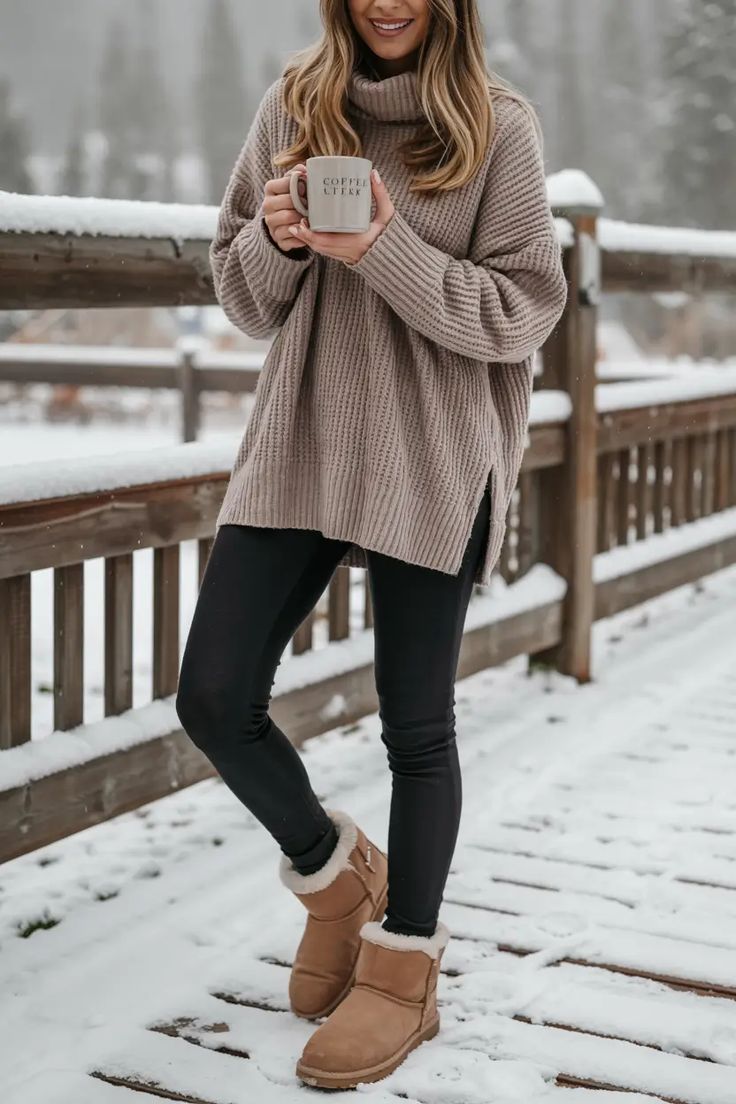
H2: Winter Classroom-Friendly Outfits
You want warmth without bulk.
Try:
- A long cardigan over a blouse
- Fleece-lined leggings (under skirts or dresses)
- Waterproof ankle boots
- Simple turtlenecks with trousers
Avoid heavy, bulky coats indoors—they’ll overheat quickly.
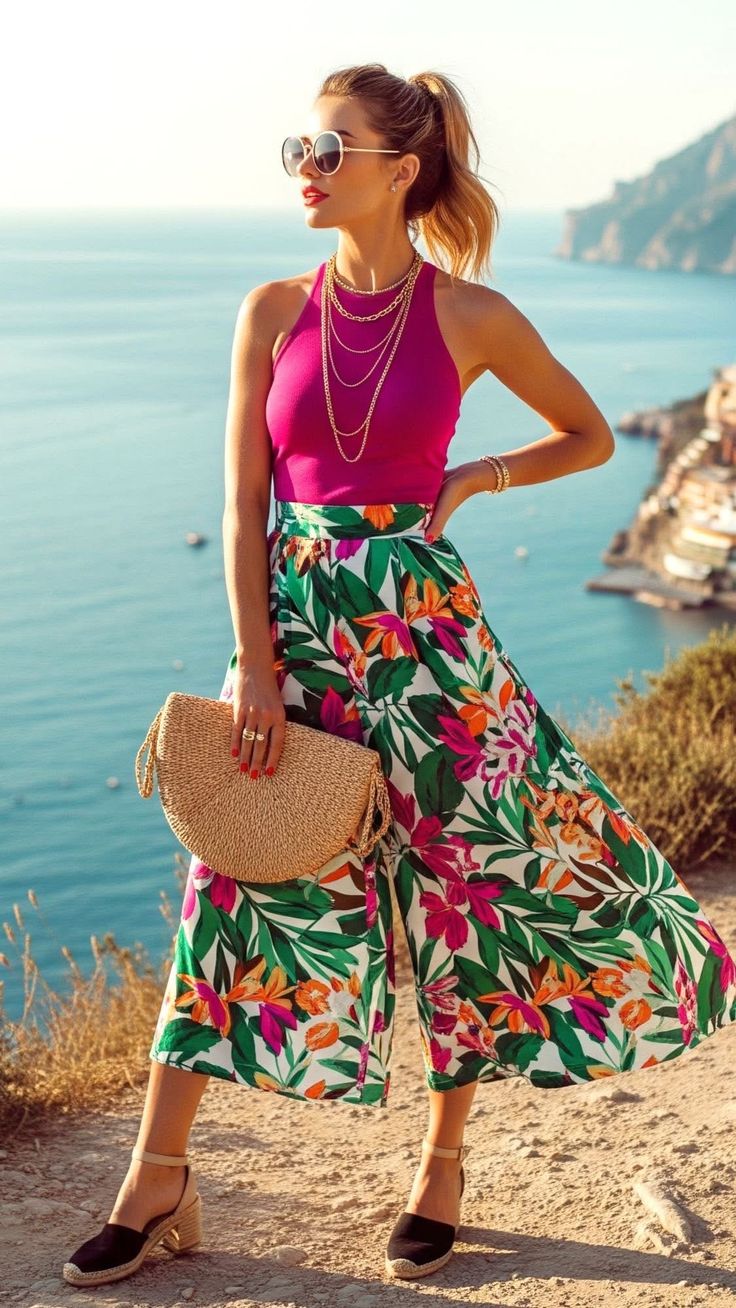
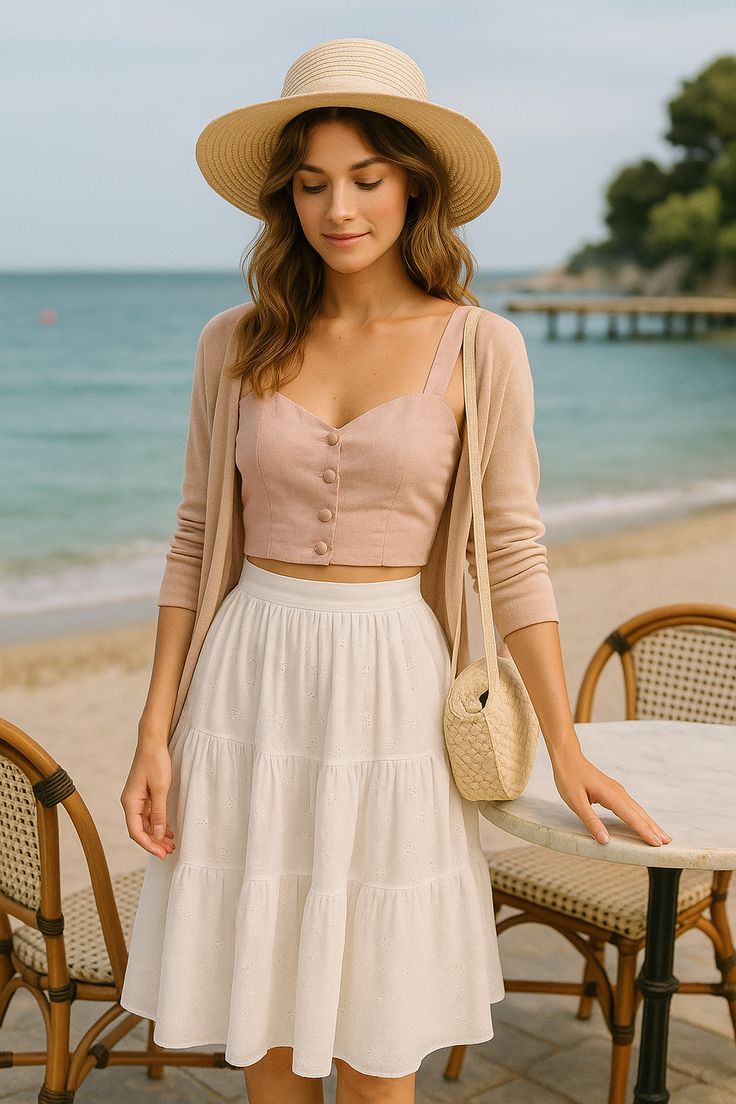
H2: Spring and Summer Student Teaching Outfits
Light fabrics and breezy silhouettes work well.
Try:
- Midi skirts with tucked-in tees
- Lightweight dresses
- Short-sleeve blouses
- Breathable trousers
- Flats or sandals (depending on dress code)
Bright colors and florals make great spring teaching outfits.
Outfit Ideas Based on Grade Level
H2: Student Teaching Outfits for Elementary Teachers
Expect sitting on carpets, playground duty, and crafts.
Best picks:
- Stretchy pants
- Comfortable shoes
- Washable fabrics
- Long cardigans
Example outfit:
Navy trousers + striped tee + mustard cardigan + comfortable flats.
H2: Student Teaching Outfits for Middle School Teachers
Professional but approachable works best.
Try:
- Blouses
- Midi dresses
- Ankle pants
- Blazers (optional)
Middle schoolers notice fashion—you can show personality without looking overly trendy.
H2: Student Teaching Outfits for High School Teachers
Go one step more polished.
Try:
- Button-down shirts
- Blazers or structured cardigans
- Dark trousers or skirts
High school teachers often lean toward a more mature, business-casual look.
Budget-Friendly Ways to Build Your Student Teaching Wardrobe
You don’t have to overspend to look the part.
H3: Shop Smart
- Look for sales at affordable brands
- Buy staple pieces that mix and match
- Avoid trend-heavy pieces
H3: Create a Capsule Wardrobe
Mix-and-match basics like:
- Black pants
- Neutral cardigans
- Solid tops
- Comfortable flats
This gives you 15–20 outfits from just a few items.
H3: Thrift and Secondhand Stores
Teacher staples are often donated in great condition. You’ll save money and find unique pieces.
Common Style Mistakes Student Teachers Should Avoid
- Wearing clothes that are too tight or too short
- Choosing shoes without support
- Wearing tops that are low-cut or require constant adjusting
- Over-accessorizing
- Forgetting about classroom movement
- Wearing white pants on art or science days (trust us!)
Sample Student Teaching Outfit Ideas (Mix & Match)
H3: Outfit 1 – The Professional Classic
- White blouse
- Black ankle pants
- Nude flats
- Simple gold earrings
H3: Outfit 2 – The Fun but Polished Teacher
- Patterned midi skirt
- Tucked-in tee
- Cardigan
- Loafers
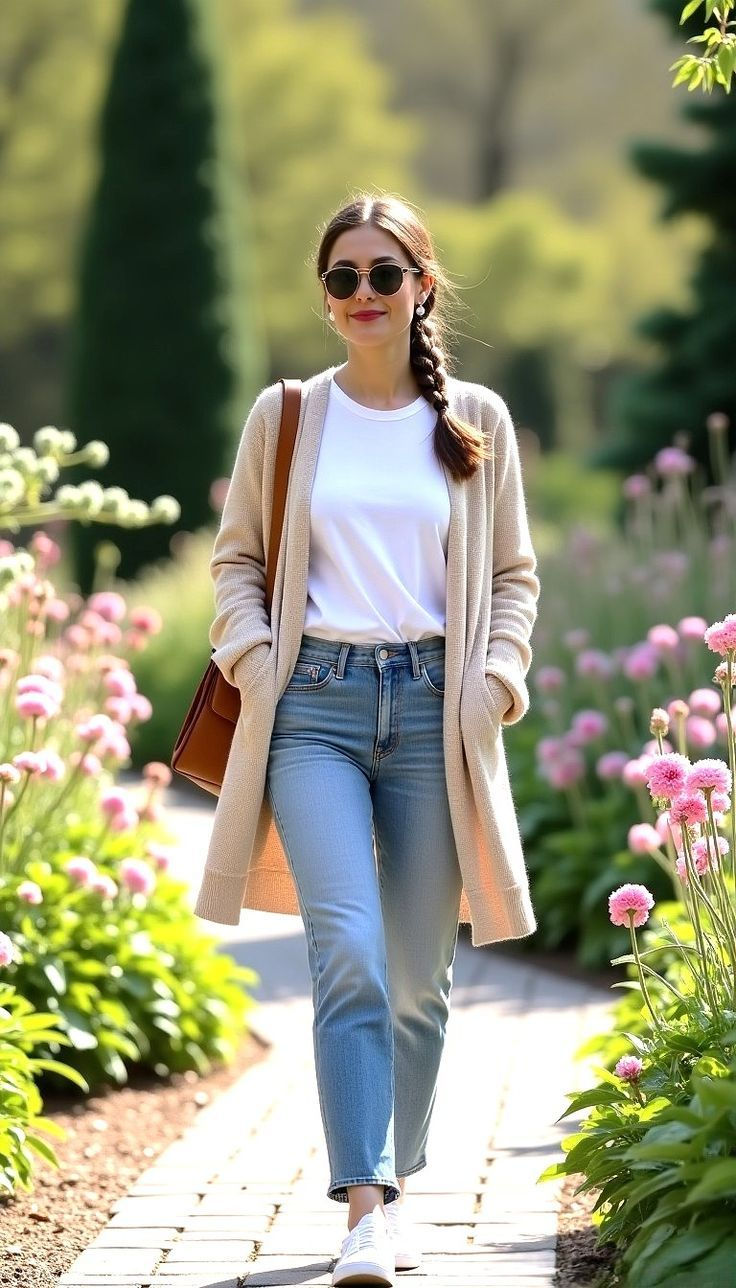
H3: Outfit 3 – Casual Friday
- Dark jeans (if allowed)
- Button-down shirt
- Comfortable sneakers
H3: Outfit 4 – Easy One-Piece
- Stretchy midi dress
- Thin belt
- Ballet flats
Conclusion: Build a Wardrobe That Helps You Shine
Your student teaching outfits don’t need to be fancy—they just need to work for you. When you dress comfortably and professionally, you step into the classroom with confidence, ready to focus on what matters most: teaching, connecting, and inspiring your students.
Start with a few basics, mix in pieces you love, and let your style evolve as you become the teacher you’re meant to be.
Ready to build your student teaching wardrobe?
If you want help creating outfit templates or a personalized capsule wardrobe, just ask—I’d be happy to help!
FAQ: Student Teaching Outfits
1. What should I avoid wearing during student teaching?
Avoid low-cut tops, short skirts, tight clothing, noisy jewelry, and shoes without support. Also avoid anything that requires constant adjusting.
2. Can student teachers wear jeans?
It depends on the school or district. Some allow jeans on Fridays only, while others allow dark-wash denim anytime. Always check the dress code.
3. How many outfits do I need for student teaching?
A small capsule wardrobe of 10–15 pieces can create 20+ outfits. Focus on mix-and-match basics.
4. Are sneakers appropriate for student teaching?
Yes—if they are clean, minimal, and allowed by your school’s dress code. Many student teachers choose supportive sneakers for comfort.
5. How do I stay comfortable but still look professional?
Choose breathable fabrics, stretchy pants, sensible shoes, and layers you can adjust throughout the day.