
My Unique Pin Creation
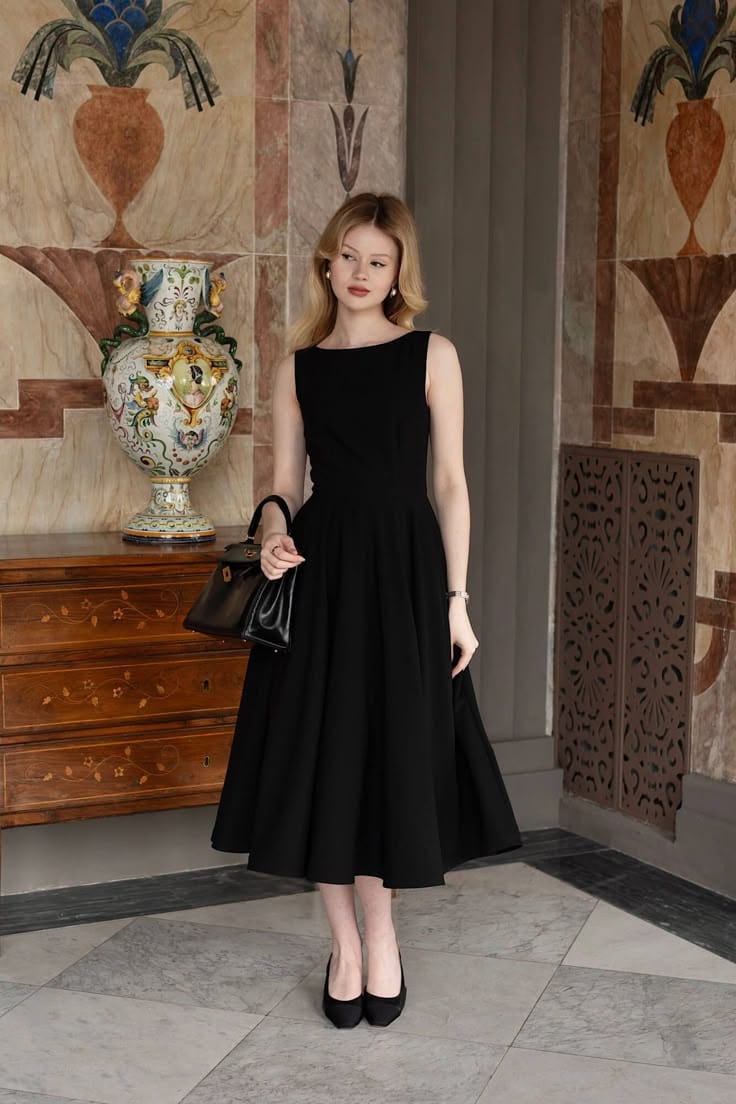
Fashion is an ever‑shifting canvas, a mirror reflecting both society’s evolution and personal creativity. Among the many garments that balance style, utility, and expression, the one‑piece dress has always held a special place. In 2025, the one‑piece dress is not just a fashion staple—it is a statement, a palette on which one can express identity, culture, and creativity. And when you add your own personal touch—like a pin you’ve created—the garment becomes more than clothes: it becomes art.
In this article, I will explore what the one‑piece dress of 2025 means, how trends have shifted, what features define it, and how the pin I made transforms the dress into something uniquely mine. Whether you’re a fashion lover, designer, or someone who simply appreciates craftsmanship, this story of style and self‑expression will resonate.
Fashion Trends in 2025: What Defines the One‑Piece Dress
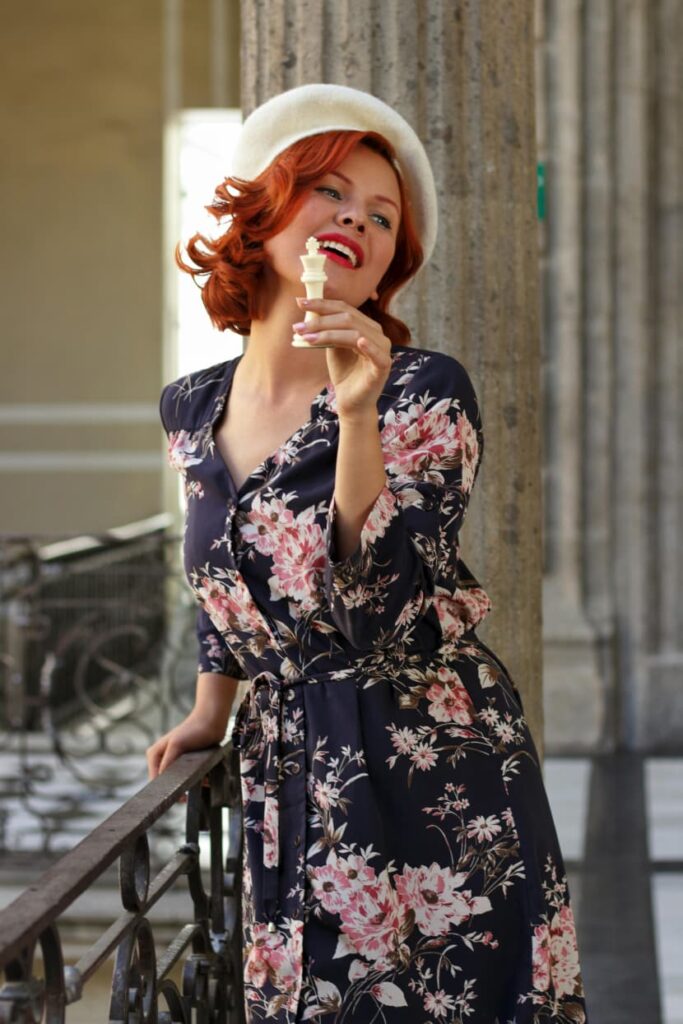
The one‑piece dress in 2025 is far more than a single garment; it encapsulates the era’s spirit. Several trends are shaping how one‑piece dresses are designed, marketed, and worn:
- Sustainability & Eco‑Conscious Materials
With increasing awareness about climate change and environmental responsibility, fashion has shifted strongly toward sustainable fabrics—organic cotton, bamboo blends, hemp, recycled synthetics, and even lab‑grown “leather”. Dresses are designed with reduced waste—zero‑waste patterns, modular pieces, or convertible styles. - Versatility & Functionality
Modern life demands clothes that adapt. Day to night, work to casual, formal to relaxed. In 2025, many one‑piece dresses offer adjustable lengths (convertible hemlines), detachable sleeves, multi‑way straps, and pockets designed to hold not just phones but wireless charger packs, or even modular accessories. - Tech‑Integrated Fashion
Smart fabric, LED accents, temperature‑regulating textiles—these are features more often seen in high‑fashion runways or specialized brands, but they are steadily trickling into mainstream designs. The dress becomes not just aesthetic but also functional in climate control or visual effects. - Bold Prints, Mixed Textures, and Cultural Fusion
Prints are bolder, colors richer. Designers are mixing traditional patterns (like block prints, ikat, tie‑dye) with modern graphic prints. Textures—lace with neoprene, silk with mesh—are combined to give depth. Cultural elements are being merged globally, reflecting cross‑border influences. - Customization & Personalization
Mass production remains, but custom touches are what make a piece stand out. Embroidery, pins, patches, hand‑painted artwork—those elements add personality. Consumers increasingly want to feel that their peace of garment reflects something about them personally.
My One‑Piece Dress: Conception, Fabric, and Design
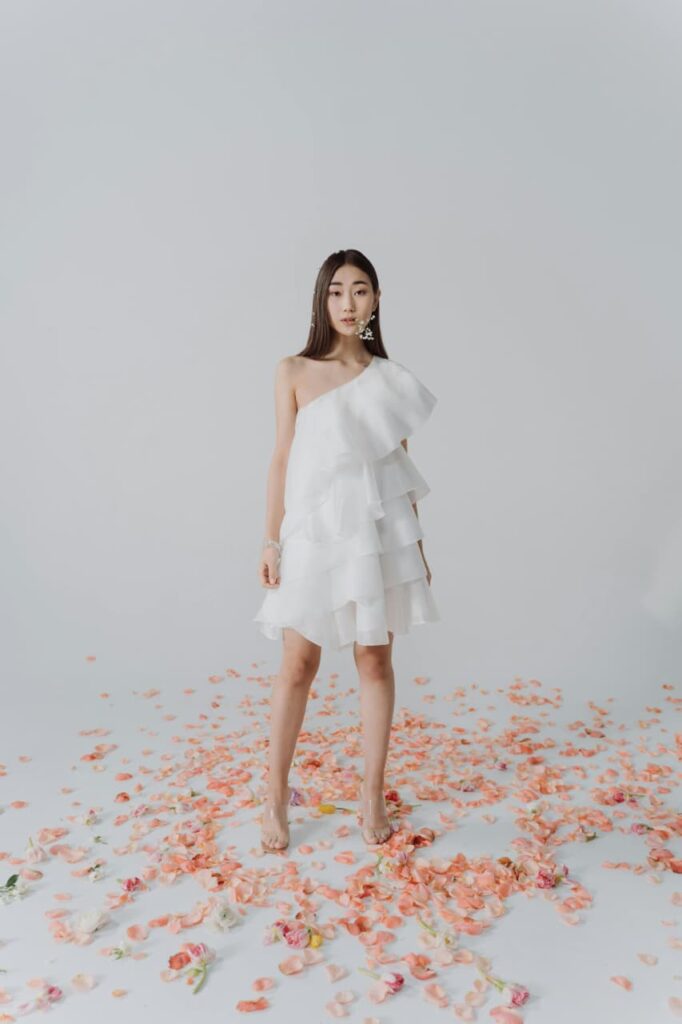
Before I describe the pin I made, let me give you a picture of the dress itself: its conception, fabric selection, design details, and why I chose this particular one‑piece.
- Concept: I wanted a dress that could be worn to both casual outings and semi‑formal events. Something elegant yet comfortable. Therefore, I designed a midi‑length one‑piece, with a silhouette that flows but gives structure at the waist.
- Fabric: I chose a bamboo‑cotton blend, because it is soft, breathable, and sustainable. The dye is eco‑friendly—with plant‑based pigments—and I used a pastel mint green as the base color, which feels fresh, modern, and soothing.
- Design Details:
• A subtle V‑neck collar, with a gentle fold at the bodice.
• Cap sleeves that are detachable: I have snaps so I can remove the sleeves and convert it into a sleeveless dress.
• Pockets: two side‑seam pockets deep enough to hold a smartphone.
• Hem with a slightly asymmetric cut—longer in back, slightly shorter in front—to add visual interest. - Fit: Straight but with a mild flare starting from the waist—so it flatters without clinging. The dress also has a belt loop, so an optional fabric belt can define the waist if needed.
The Pin I Made: Crafting a Personal Touch
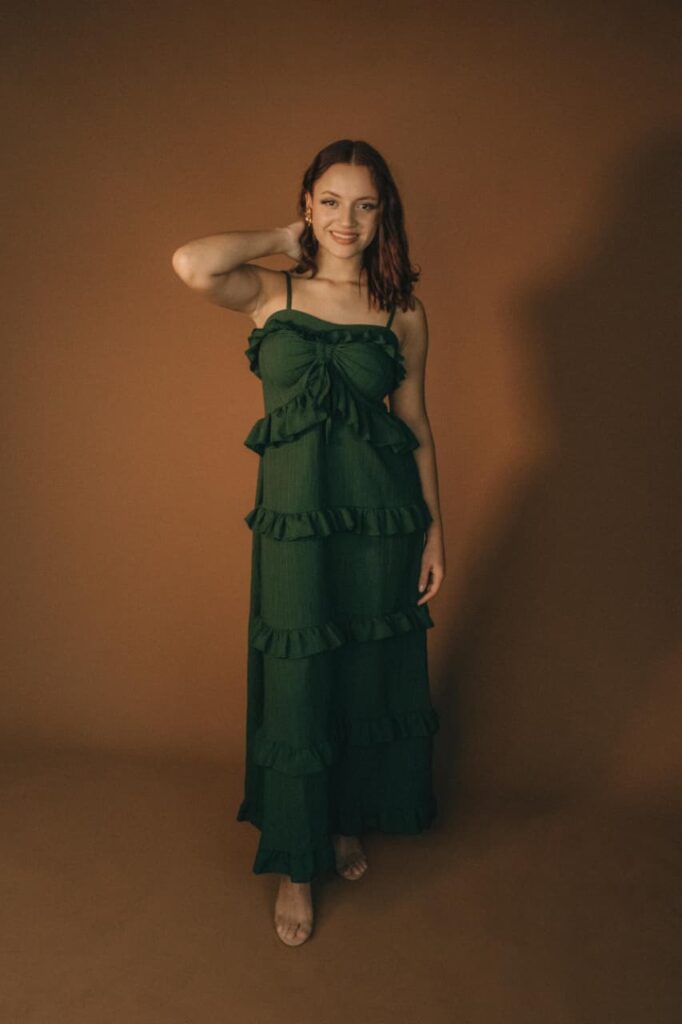
Now, to the heart of this project: the pin I made. I believe that accessories often transform a piece from just clothing into something uniquely expressive. The pin on this dress does just that.
Concept and Inspiration
I wanted something symbolic—something that reflects my personal journey, my interest in art, and the spirit of 2025. I envisioned a stylized lotus, because the lotus symbolizes growth, rising above mud, and blossoming in beauty. Also, lotus petals parallel fashion petals—layers revealing themselves.

Materials Used
- Base Metal: I used a thin brass sheet as the base—it’s durable, lightweight, and develops an appealing patina with time.
- Color Infill: I chose enamel paints (hand‑mixed) to add color inside the lotus petals—soft pinks, gold accents, a hint of emerald green in the center.
- Backing & Pin Mechanism: A standard butterfly clutch backing to secure the pin to the dress.
Design Features
- The lotus has five petals, each with slightly different shapes—one petal has etched patterns (fine lines), another has a hammered texture, to reflect mixed textures trend.
- The center of the lotus has a small raised bead of enamel in emerald green.
- Edge of each petal is edged in thin gold‑painted brass.
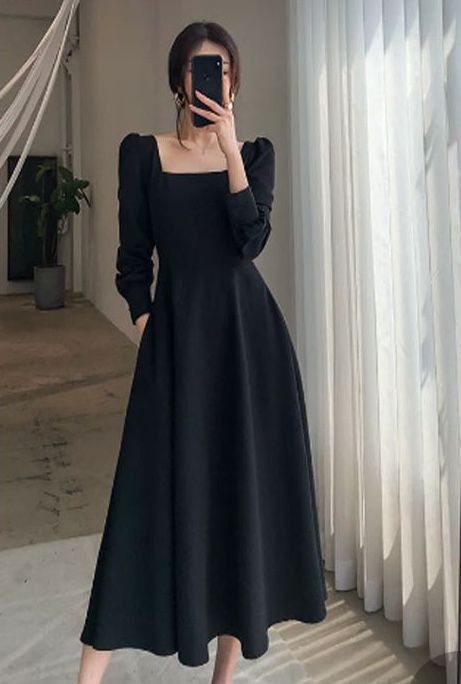
Placement
I placed the pin on the left upper chest area—just below the neckline. It draws the eye upward, complements the V‑neck, and doesn’t clash with detachable sleeves. It makes a focal point without overpowering.
How the Pin Transforms the Dress: Symbolism and Style
Now, let’s explore how adding this single handmade pin shifts the dress in meaning, style, and identity.
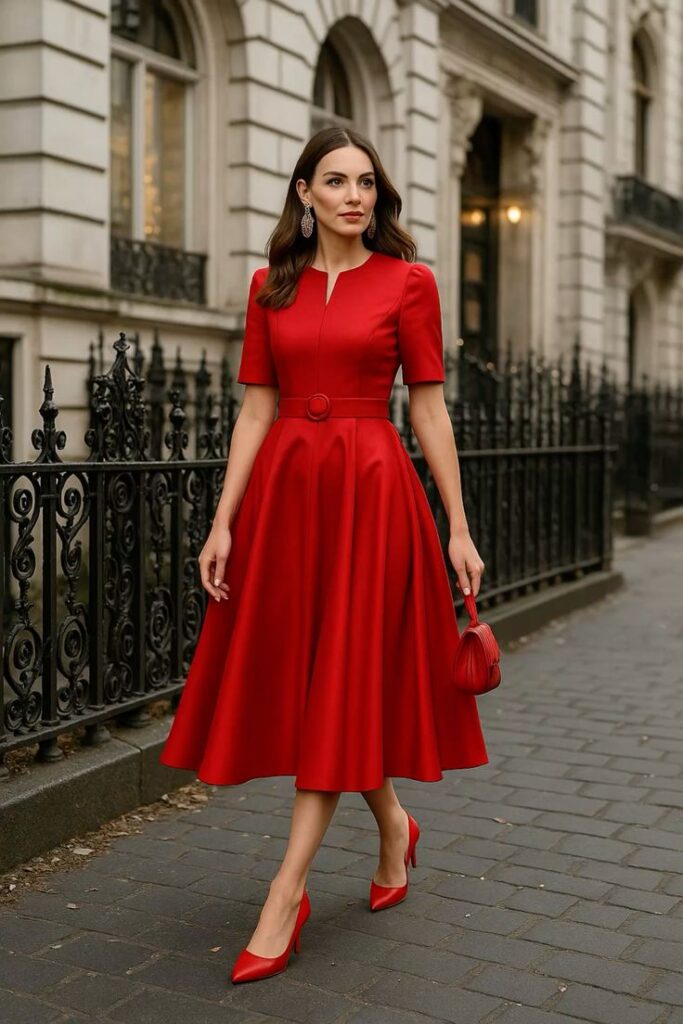
Personal Expression
The dress was already a combination of comfort and elegance. But the pin makes it mine. It’s not a mass‑produced brooch; it’s something I fashioned. It carries my choice of colors, my inspiration, my hand. Whenever I wear the dress, the lotus pin whispers a story of growth, creativity, transformation.
Cultural Resonance
2025 fashion is seeing a return to handcrafted items—embroidery, hand painting, artisanal metalwork. My pin nods toward that: though small, it is handcrafted. It bridges the traditional art of metal‑craft and enamel work with contemporary fashion. In a way, it connects the ages.
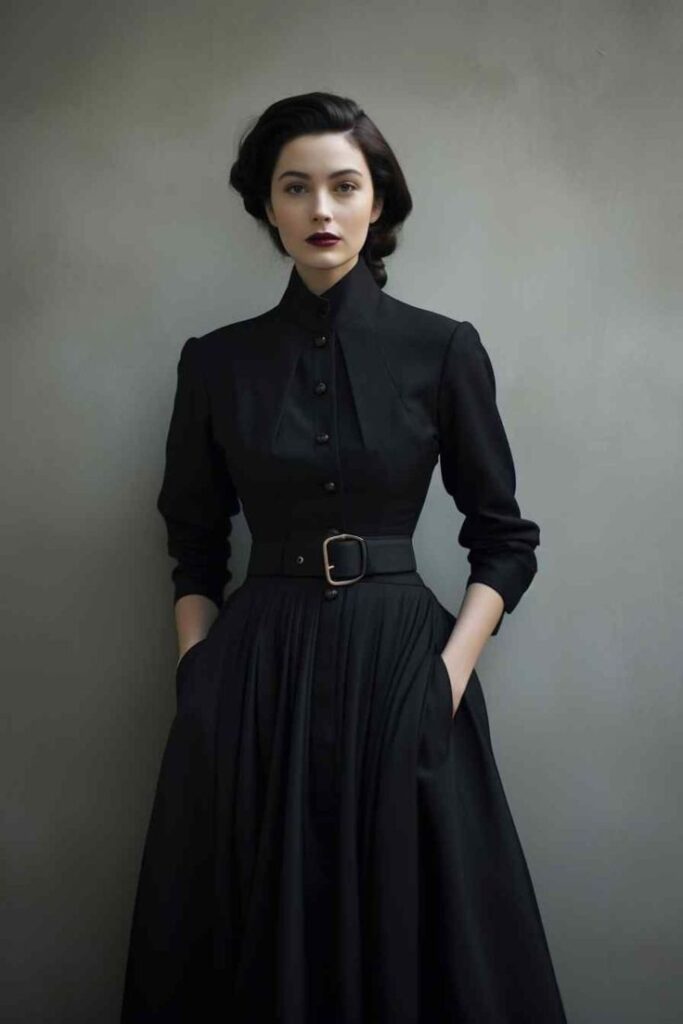
Visual Balance and Aesthetics
- The dress’s soft pastel mint green sets a calm background. The pin’s rose‑gold, emerald, and gold accents offer just enough contrast to stand out without clashing.
- The placement at the chest works with the neckline, bringing attention upward toward the face.
- Also, because the dress is relatively simple in cut and texture, the pin becomes a focal accessory—like a poem on a blank canvas.
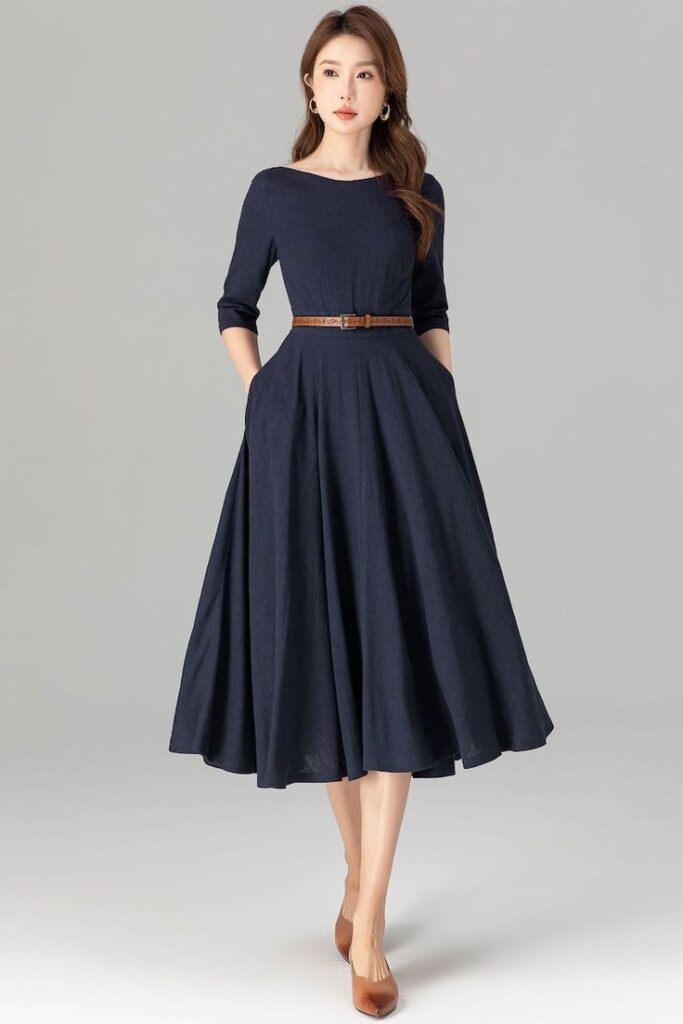
Versatility
Thanks to the detachable sleeves, the dress can be dressed up or down. The pin works both ways: with the sleeves on, it feels semi‑formal; with sleeves off or in casual settings, the pin adds personality without being ostentatious.
Care, Maintenance, and Longevity
Because I intend this dress and pin to last, both in physical condition and in relevance, certain care practices are important.
- Dress Care: The bamboo‑cotton blend should be washed gently, ideally by hand or in gentle machine cycle, cold water, mild detergent, and air‑dried to preserve fabric and minimize dye fading. Avoid strong sunlight for long drying. Iron inside‑out to protect any surface sheen.
- Pin Care: The brass pin with enamel can be polished occasionally with a soft cloth. Avoid harsh chemicals; remove the pin when washing the dress or before storing the dress in airtight plastic, since moisture can cause tarnish. Keeping the pin secured properly when stored to avoid bending.
How the One‑Piece Dress + Pin Reflects 2025 Fashion Philosophy
Putting this all together, my dress with the pin embodies several defining currents of fashion in 2025:
- Handmade & Personal: The pin is handmade; this counters pure mass‑production and brings in personal narrative.
- Sustainability: Use of eco‑fabrics, plant dyes, minimal waste (simple cuts, detachable but reusable parts).
- Aesthetic with Function: The dress isn’t just pretty—it’s practical (pockets, detachable sleeves, length options). The pin isn’t just decorative—it’s symbolic and designed to blend with the garment.
- Cultural Fusion & Texture: Lotus motif (traditional symbolism) with modern metals/enamel, clean cuts paired with texture in the pin; interplay of old and new.
- Minimalist Statement: Rather than many accessories, I use one well‑designed focal piece. This aligns with modern trends toward fewer, more meaningful pieces.
Styling Suggestions & Occasions
How do you wear this ensemble? Where is it appropriate, and how to style it up or down?
- Casual Day Out: Detach the sleeves, pair with flat sandals or espadrilles, a straw bag. Let the pin be the standout piece. Hair in a messy bun or loose waves; minimal makeup.
- Work / Semi‑Formal: Keep sleeves on, pair with low block heels. Add small stud earrings that echo the gold in the pin. A structured handbag. Hair tidy; accessory light elsewhere so the pin gains prominence.
- Evening Function: Maybe add a thin gold chain around the waist (if belt loops available), gold bracelets, and strappy heels. The pin then shifts into being almost jewelry‑like: it sparkles under light, adds elegance.
- Layering: If weather is a bit chilly, a sheer shawl or a cropped jacket might be worn. In that case, the pin can be moved to the lapel of the jacket, changing its position and creating new visual interest.
Challenges & Reflection
Of course, creating this dress and pin came with challenges—and reflection helps improve future pieces.
- Matching the shade of the pin’s enamel to the dress’s pastel was harder than expected. Light conditions affect how colors appear; under artificial vs natural light, the green in the center of the pin sometimes looks darker. Next time, I might choose a buffer color or test multiple light sources.
- Ensuring the pin’s backing doesn’t snag the fabric. Brass edges are smooth, but the clasp must be gentle against soft fibers. I considered a magnetic clasp, but worried about interference with electronics in today’s tech‑integrated clothes, so stayed with a standard butterfly clutch.
- Durability: The detachable sleeves have snap buttons; repeated snapping can loosen over time. Considering more durable fasteners may extend lifespan.
- Maintenance: The pin, being metal, oxidizes. Polishing often means removing it before washing/drying the dress; this adds a little more effort—but I believe it’s worth it for longevity.
Looking Forward: What My Creation Says About Me & Broader Fashion
In essence, this dress with the pin is not just about fashion; it is about identity, creativity, and intention. It says:
- I care about sustainability.
- I value craftsmanship.
- I believe fashion should communicate something personal.
- I enjoy blending tradition (lotus motif, handcrafted pin) with the modern (eco‑fabrics, convertible design).
Beyond my personal narrative, this creation reflects a broader trajectory in fashion: from consumerism to conscientious consumption; from fast trends to slow, meaningful design; from uniformity to individual stories.
Conclusion
The one‑piece dress of 2025 is more than a garment—it is a canvas for expression, a fusion of form, function, and philosophy. My dress, made of sustainable fabric with convertible design, gains life through the pin I designed: a lotus motif in brass and enamel, symbolic of growth and individuality.
Together, dress and pin exemplify what fashion can be in this era: art you wear, message you live. They show that even small creative touches—like a pin—can elevate clothing from mere utility to powerful self‑expression. As you walk down the street, attend events, meet friends, your dress tells a story—and the pin makes it your own.