Your body is tired. Your nails are breaking. You’re yawning at 2pm even after a full night’s sleep.
Sound familiar?
Iron deficiency anemia is the most common nutritional deficiency worldwide Cleveland Clinic — and women are especially at risk because of factors like heavy menstrual cycles and pregnancy. Spectrumhs
Here’s the part that stops most people cold: during childbearing years, women should be getting 15–18mg of iron per day Cedars-Sinai to make up for what’s lost each month. Most of us are nowhere close to that.
The fix is not a supplement you forget to take. It’s food. Real, delicious food that you’ll actually want to eat.
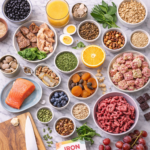
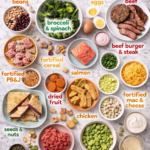
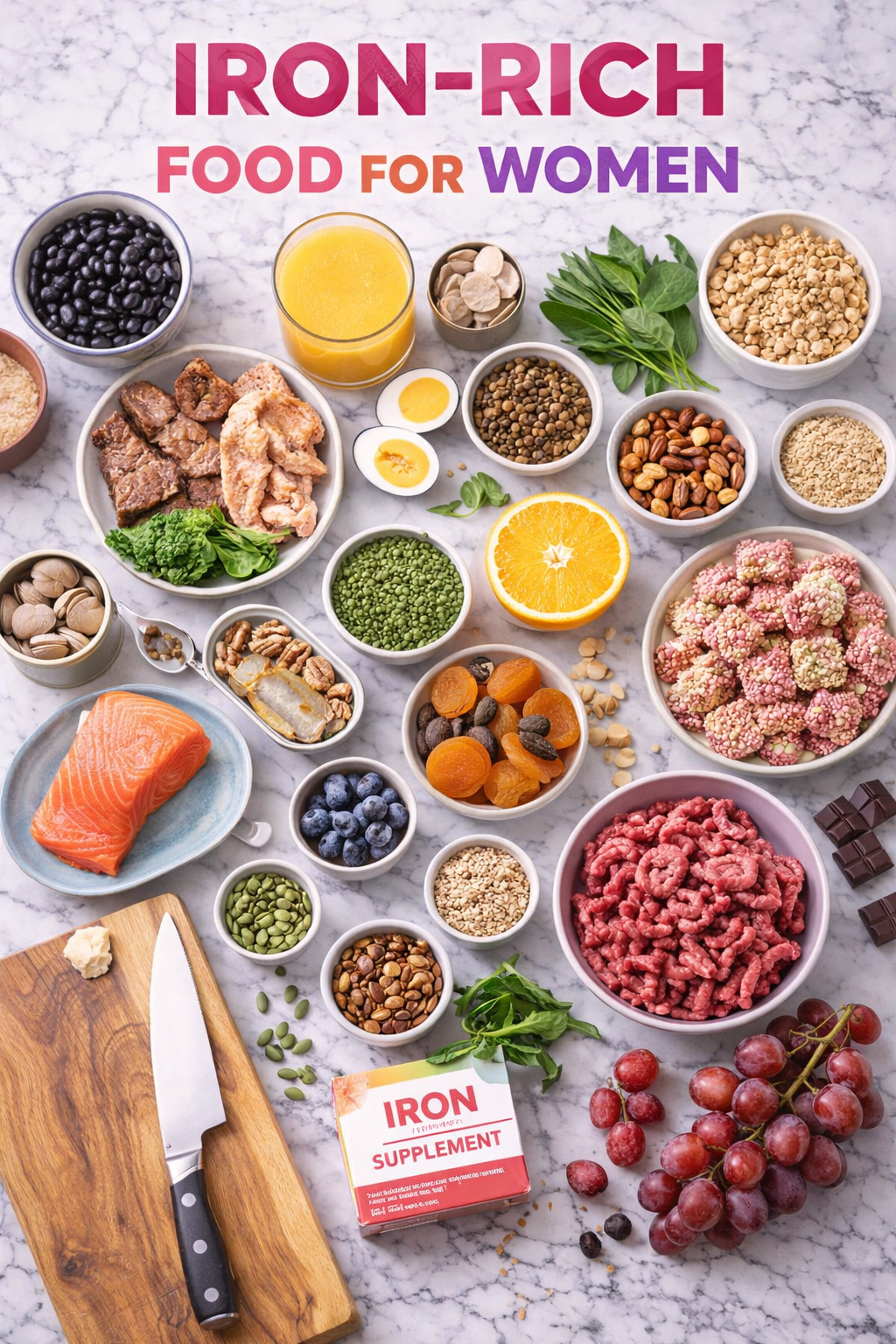
This guide breaks it all down — the best iron-rich foods for women, how to eat them in a way your body can actually absorb, and a simple recipe to pull it all together this week.
What Iron Actually Does in Your Body
Iron isn’t just a mineral on a nutrition label. It helps produce hemoglobin, the protein in red blood cells that carries oxygen throughout your body. Spectrumhs
No oxygen delivery? Your cells and tissues don’t get what they need to function properly — which is what leads to exhaustion, weakness, and trouble concentrating. Spectrumhs
That afternoon slump you keep blaming on coffee? It might not be the coffee.
The Two Types of Iron (This Part Matters)
Not all iron hits the same way.
Heme iron comes from animal products and is more easily absorbed by the body. Non-heme iron comes from plant-based foods and is harder to absorb. Cleveland Clinic
If you follow a plant-based diet, you’ll need to eat about 80% more iron-rich food to meet your daily requirements Spectrumhs compared to someone who eats meat.
That’s not a reason to panic. It’s just a reason to be strategic.
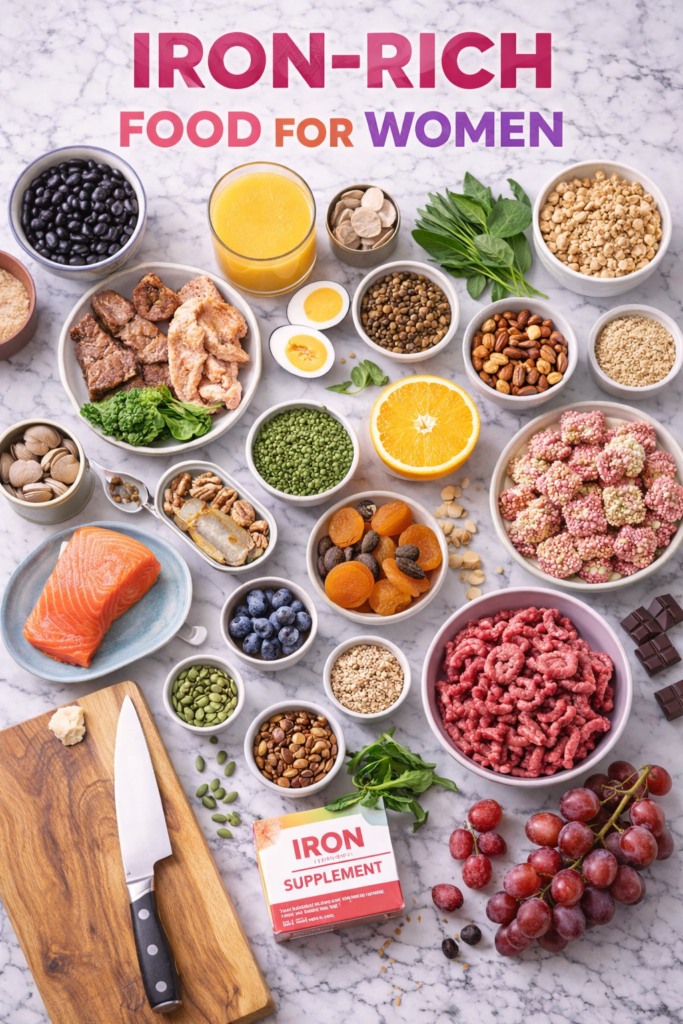
The Best Iron-Rich Foods for Women
Animal-Based (Heme Iron)
These are the most efficient sources. Your body absorbs them quickly.
| Food | Iron Per Serving |
|---|---|
| Beef liver (3 oz) | ~5 mg |
| Oysters (3 oz) | ~8 mg |
| Lean ground beef (3 oz) | ~2.2 mg |
| Sardines (3 oz) | ~2.5 mg |
| Chicken (3 oz) | ~1.1 mg |
| Egg yolks | ~0.6 mg each |
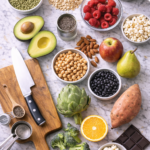
The best iron-rich meats include liver, red meat, poultry, egg yolks, and seafood like sardines, shrimp, tuna, and oysters. Johns Hopkins Aramco Healthcare
Oysters, by the way, are an absolute iron powerhouse. Three ounces gives you more iron than most people get in an entire day. 🤯
Plant-Based (Non-Heme Iron)
These take more effort to absorb, but pair them with vitamin C and the game changes.
| Food | Iron Per Serving |
|---|---|
| Cooked lentils (1 cup) | ~6.6 mg |
| Cooked spinach (1 cup) | ~4.9 mg |
| Pumpkin seeds (1 oz) | ~2.5 mg |
| Chickpeas (1 cup) | ~4.7 mg |
| Tofu (½ cup) | ~3.4 mg |
| Quinoa (1 cup cooked) | ~2.8 mg |
Legumes like lentils, chickpeas, black beans, and kidney beans are full of iron, fiber, and protein — and are perfect for vegetarians and vegans. Liv Hospital
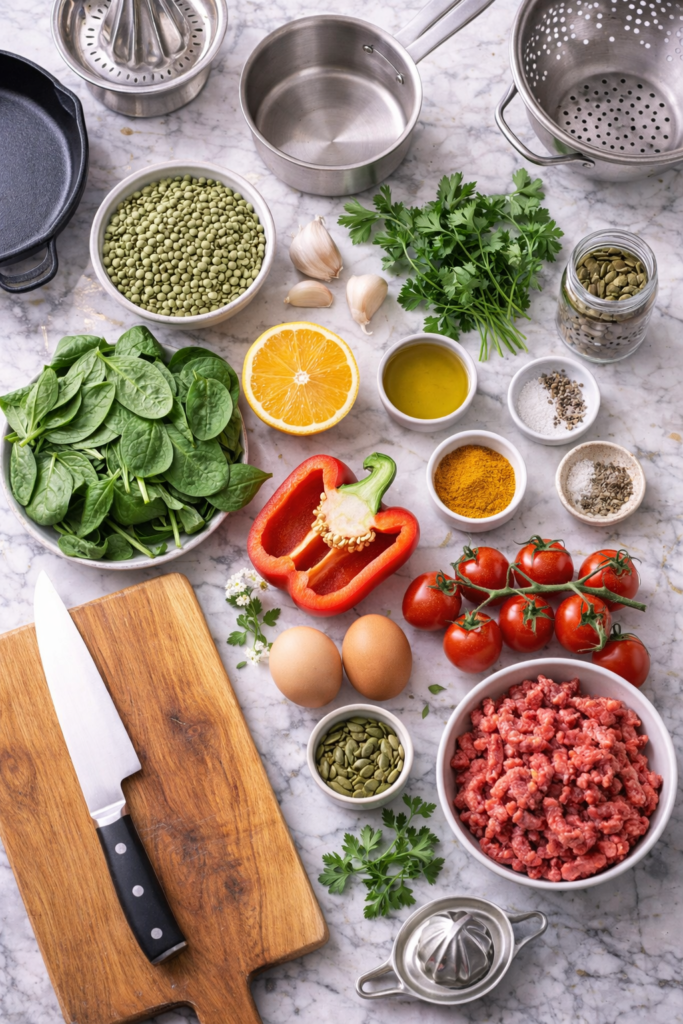
What You’ll Need
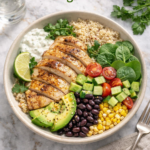
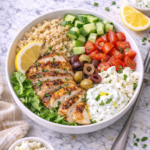
This recipe is a Lemon Spinach Lentil Bowl with Pumpkin Seeds — an iron-rich meal that hits at least three different food categories on the list above and tastes like something you’d actually want to make again.
For the Lentil Base:
- 1 cup dry green or brown lentils
- 2½ cups water or vegetable broth
- 3 garlic cloves, minced
- ½ tsp cumin
- ½ tsp turmeric
- Salt and black pepper to taste
For the Spinach:
- 3 cups fresh baby spinach
- 1 tbsp olive oil
- Juice of 1 lemon (keep extra for serving)
For the Bowl:
- 2 tbsp pumpkin seeds (raw or roasted)
- 1 medium bell pepper, sliced (red or yellow — high in vitamin C)
- 1 cup cherry tomatoes, halved
- ¼ cup fresh parsley, chopped
- Optional: 2 soft or hard-boiled eggs (adds heme iron)
Tools You’ll Need
- Medium saucepan with a lid
- Cutting board
- Chef’s knife
- Skillet or frying pan
- Citrus juicer or fork
- Colander
- Mixing bowls (2)
- Measuring cups and spoons
Pro Tips
These are things that’ll make a real difference, especially your first time.
- Pair iron with vitamin C, always. Eating foods rich in vitamin C — like oranges, strawberries, or bell peppers — alongside iron-rich foods significantly improves absorption. Johns Hopkins Aramco Healthcare The lemon juice in this recipe is doing more than adding flavor.
- Cook your lentils in broth, not just water. It adds depth and the lentils absorb the flavor as they cook. A bland bowl is a skipped bowl.
- Skip the coffee with this meal. Coffee and black tea reduce the absorption of iron UMass Memorial Health — so save your cup for after, not during.
- Don’t skip rinsing the lentils. Rinse them under cold water before cooking to remove any grit and reduce the compounds that can cause bloating.
- Cast iron skillet for the win. Cooking food in a cast iron skillet can actually increase the iron content of the food. UMass Memorial Health Use yours for the spinach.
Full Instructions
Step 1: Cook the Lentils
Rinse 1 cup of lentils under cold water, then add them to a medium saucepan with 2½ cups of broth. Add the minced garlic, cumin, turmeric, salt, and pepper.
Bring to a boil, then reduce the heat and simmer for 20–25 minutes, until the lentils are tender but not mushy. Drain any excess liquid and set aside.
Step 2: Wilt the Spinach
While the lentils cook, heat olive oil in a skillet over medium heat. Add the baby spinach and cook, tossing gently, for 2–3 minutes until just wilted.
Squeeze half the lemon over the spinach and give it a quick stir. Take it off the heat.
Step 3: Prep Your Toppings
Slice the bell pepper, halve the cherry tomatoes, and roughly chop the parsley. If you’re adding eggs, soft-boil them now (6–7 minutes in boiling water, then into an ice bath to stop the cooking).
Step 4: Assemble the Bowls
Add a generous scoop of lentils to each bowl. Layer the wilted spinach on top. Arrange the bell pepper slices, cherry tomatoes, and parsley around the bowl.
Sprinkle with pumpkin seeds, squeeze over the remaining lemon, and add your eggs on top if using.
Eat immediately, or pack it up — it keeps well for 2–3 days.
Substitutions and Variations
To make it vegan: Skip the eggs. The lentils, spinach, and pumpkin seeds are already a strong iron combination.
To add more heme iron: Serve with 3 oz of grilled salmon or thinly sliced lean beef on the side.
Don’t have lentils? Chickpeas or black beans work just as well and have similar iron content.
Not a spinach person? Swap for kale or Swiss chard — both are solid iron sources.
Add more crunch: Toss in a handful of toasted sesame seeds or cashews for texture and extra iron.
Make Ahead Tips
- Lentils: Cook a double batch on Sunday and refrigerate for up to 5 days. They reheat beautifully.
- Boiled eggs: Cook a batch of 4–6 eggs at the start of the week and peel as needed.
- Chopped vegetables: The bell pepper and tomatoes can be prepped and stored in an airtight container for up to 3 days.
Nutritional Info (Per Bowl, Approximate)
| Nutrient | Amount |
|---|---|
| Iron | ~9–11 mg |
| Protein | ~22g |
| Fiber | ~16g |
| Vitamin C | ~80mg |
| Calories | ~380–420 kcal |
That’s more than half the daily recommended iron intake for women in childbearing years, in one bowl.
Meal Pairing Suggestions
- Pair with: A small glass of orange juice or a side of sliced kiwi for an extra vitamin C boost that helps absorption.
- Add a side: Whole grain pita bread (many are iron-fortified) works well for scooping.
- Avoid pairing with: Milk, cheese, or yogurt at the same meal. The calcium in dairy products reduces iron absorption from iron-rich foods Johns Hopkins Aramco Healthcare — save dairy snacks for between meals.
Leftovers and Storage
- Store assembled bowls (without eggs) in an airtight container in the fridge for up to 3 days.
- The lentils on their own freeze well for up to 3 months.
- Reheat the lentils and spinach gently on the stovetop or microwave, then add fresh toppings.
- Add eggs fresh when reheating — they don’t keep as well once sliced open.
FAQ
How do I know if I’m iron deficient?
Common signs include fatigue, pale skin, cold hands and feet, brittle nails, and trouble concentrating. A healthcare professional can give you a formal diagnosis if you suspect your levels are low Cleveland Clinic — and that’s always the best first step before reaching for supplements.
Can I get enough iron from food alone?
For most women, yes — with consistent effort. Your daily iron needs can be met through diet, although if you have low blood iron levels or difficulty absorbing iron, a supplement may be needed. Cleveland Clinic Always talk to your doctor before adding one.
What foods block iron absorption?
Tea and coffee inhibit iron absorption Medical News Today, so skip them with meals. Calcium from dairy also competes with iron, so separate those.
Is plant-based iron as good as iron from meat?
It’s absorbed less efficiently, but it absolutely counts. Pairing non-heme iron from plants with vitamin C-rich foods significantly increases how much your body can absorb. Spectrumhs Lemon juice, bell peppers, oranges — they all help.
Can I eat this recipe every day?
You can, though variety is always a good idea. Rotating iron sources throughout the week — lentils one day, sardines another, beef another — keeps things interesting and gives your body a mix of heme and non-heme iron.
Wrapping Up
Iron deficiency quietly affects so many women, and most of them have no idea it’s the reason they feel so flat.
This bowl won’t fix everything overnight, but it’s a genuinely easy, genuinely delicious place to start. The lentils are filling, the spinach wilts down to nothing and soaks up all the lemon, and the pumpkin seeds add that little crunch that makes you feel like you built something.
Make it this week. See how you feel. And come back to tell me in the comments — did you make any swaps? Add something you loved? Have a question about iron absorption I haven’t covered yet?
Leave it below. I read every one. 👇