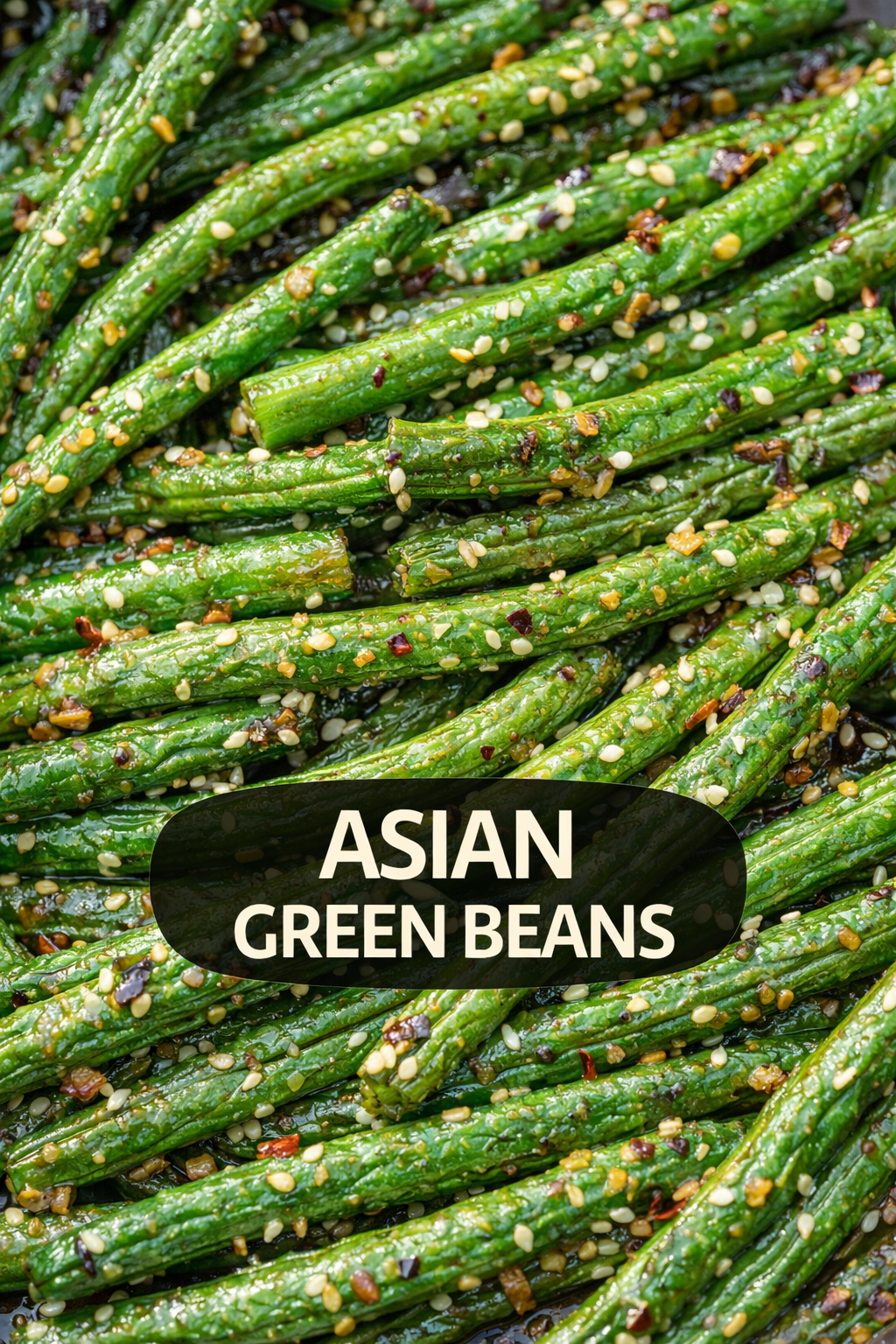
You know that feeling when you order takeout and there’s that one side dish you can’t stop eating? That crispy, garlicky, slightly sweet green bean situation that somehow disappears before the main course?
I’m talking about those Asian green beans that make you wonder why you ever boiled a vegetable in your life.
I’ve been making these at home for the past few months and they’ve become my go-to when I need something quick, ridiculously tasty, and maybe slightly healthier than my usual rotation.
And here’s the thing: you probably have most of these ingredients already. No special trip to an Asian market needed (though if you want to level up with some specialty ingredients, I’ll talk about that later).
Ten minutes from start to finish. That’s it.
Let me show you how to make the side dish that might actually steal the spotlight from your main.
What You’ll Need
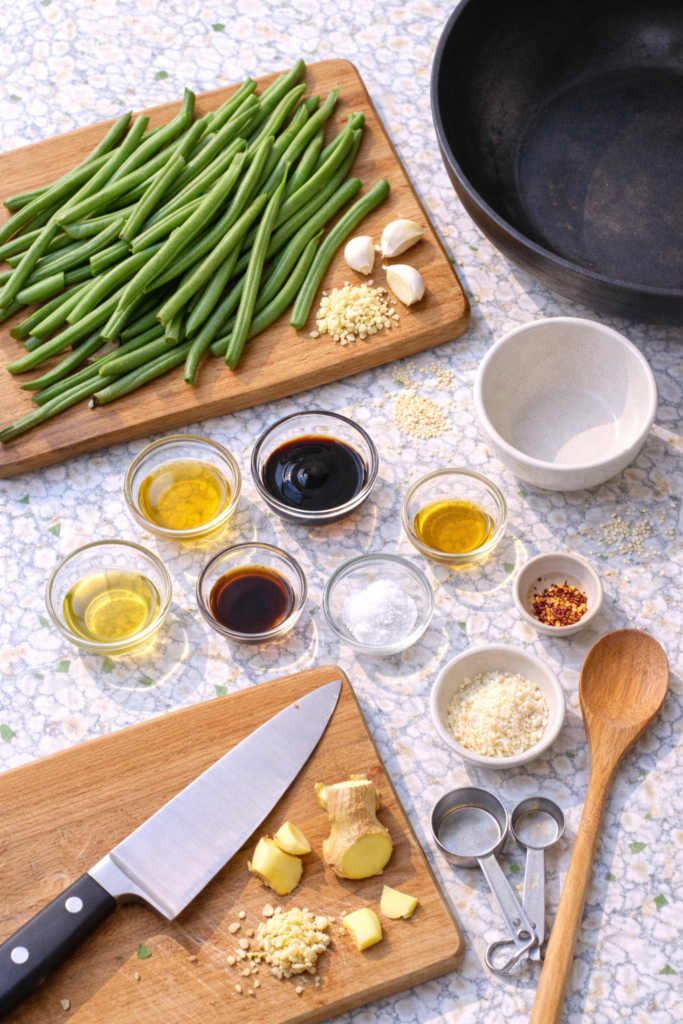
You’re looking at about 8 simple ingredients here. Nothing crazy.
For the green beans:
- 1 pound fresh green beans, trimmed
- 2 tablespoons vegetable oil (or any neutral oil)
- 4 cloves garlic, minced
- 1 tablespoon fresh ginger, minced
- 2 tablespoons soy sauce
- 1 tablespoon oyster sauce
- 1 teaspoon sesame oil
- 1 teaspoon sugar
- Red pepper flakes (optional, but you’ll want them)
- Sesame seeds for garnish
Pro Tips
Let me save you from the mistakes I made the first three times I attempted this.
Don’t skip the trimming. I know it’s tedious, but those woody ends? They’re not doing anyone any favors. Just line them all up and chop them off in batches. Takes like 2 minutes.
Get your pan screaming hot before you add the beans. Room temperature pan = soggy beans. We’re going for that restaurant-style char here, and that only happens with serious heat. If your smoke alarm doesn’t even think about going off, your pan isn’t hot enough.
Have everything prepped before you turn on the stove. This recipe moves fast. Like, blink-and-you-missed-it fast. Once that garlic hits the pan, you’ve got maybe 30 seconds before things start happening. Chop your garlic and ginger first, mix your sauce, then start cooking.
Don’t crowd the pan. If you’re doubling the recipe, use two pans or cook in batches. Crowded beans = steamed beans. And nobody came here for steamed beans.
Taste as you go. Soy sauce brands vary wildly in saltiness. Start with less, you can always add more. Can’t really un-salt something once you’ve gone too far.
Tools You’ll Need
- Large skillet or wok (the bigger the better)
- Sharp knife
- Cutting board
- Small bowl for mixing the sauce
- Measuring spoons
- Spatula or wooden spoon
How to Make Asian Green Beans
Here’s where it all comes together. And honestly, once you’ve done this once, you won’t need to look at the recipe again.
Step 1: Trim those green beans. Get rid of the stem ends. You can leave the little pointy tails on the other end, they’re fine.
Step 2: Heat your wok or large skillet over high heat. Add the vegetable oil and let it get hot. You’ll know it’s ready when it starts to shimmer.
Step 3: Toss in the green beans. Don’t touch them for about 2 minutes. Just let them sit there and get that nice char on one side. Then stir them around and let them char on the other sides for another 2-3 minutes.
Step 4: Push the beans to the side of the pan (or if you’re fancy, take them out completely). Add a tiny bit more oil if needed, then toss in your garlic and ginger. Stir constantly for about 30 seconds. The smell will be incredible.
Step 5: In that small bowl I mentioned earlier, mix together the soy sauce, oyster sauce, sesame oil, and sugar. Pour it over everything in the pan.
Step 6: Toss everything together for another minute or so until the beans are coated and the sauce has reduced slightly. You want them tender-crisp, not mushy.
Step 7: Kill the heat. Sprinkle with sesame seeds and red pepper flakes if you’re into that (you should be).
That’s it. Seriously.
Substitutions and Variations
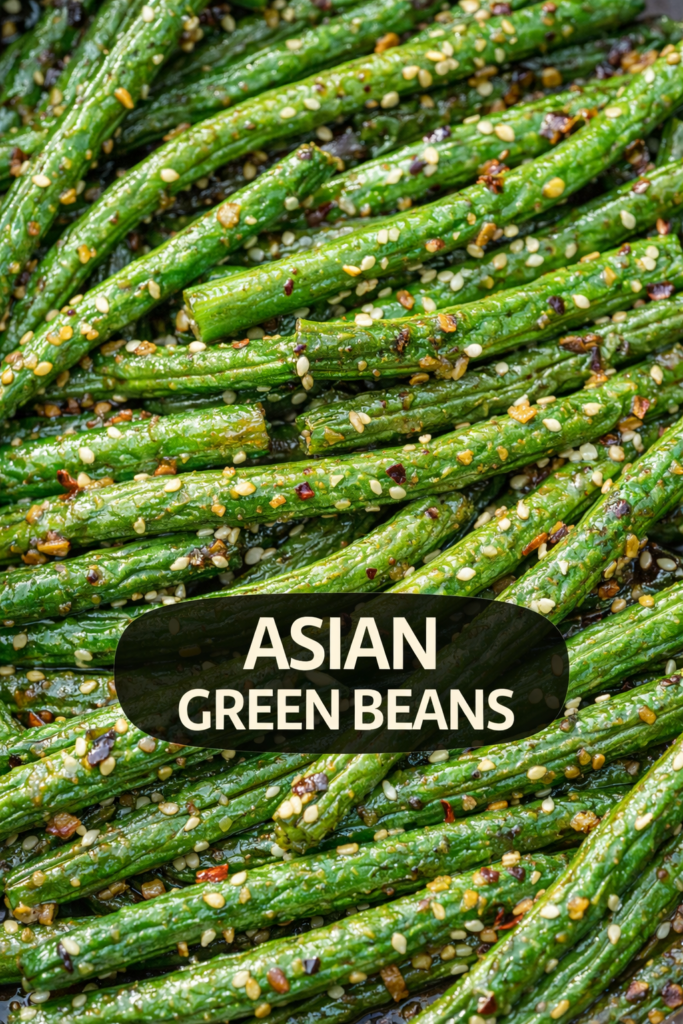
Life happens. Your grocery store was out of something. You have dietary restrictions. You just don’t like oyster sauce. I get it.
Green beans: Honestly? Broccolini works great. So does asparagus. Even snap peas. Just adjust cooking time accordingly. Thicker vegetables need more time, thinner ones need less.
Oyster sauce: If you’re vegetarian or just don’t have it, use hoisin sauce. Different flavor profile, but still delicious. Or add an extra tablespoon of soy sauce and a teaspoon of molasses.
Sugar: Honey works. So does maple syrup. Just add it at the end since liquid sweeteners can burn more easily.
Vegetable oil: Avocado oil, peanut oil, grapeseed oil. Anything that can handle high heat. Don’t use olive oil here, it’ll smoke like crazy and taste weird.
Want it spicier? Add some Sriracha to the sauce. Or slice up some fresh chilies with the garlic and ginger.
Want it sweeter? Double the sugar or add a splash of mirin (Japanese rice wine).
Protein boost: Toss in some cashews or peanuts at the end. Or cook some ground pork before you add the beans and make it a full meal.
Make Ahead Tips
Real talk: these are best fresh. The crispy texture doesn’t really survive reheating.
But if you want to meal prep, here’s what works: Trim your beans and store them in a container with a paper towel to absorb moisture. Mix your sauce and keep it in a jar in the fridge. Then when you’re ready to eat, it’s literally 10 minutes of cooking.
You could also cook them fully and reheat in a hot skillet (not the microwave, please). They won’t be quite as crispy, but they’ll still taste good.
Leftovers and Storage
If you do have leftovers (which, in my house, is rare), keep them in an airtight container in the fridge for up to 3 days.
To reheat: Hot skillet. Medium-high heat. Few minutes. Do not microwave these if you value the texture at all.
Or just eat them cold straight from the container while standing in front of your fridge at midnight. I won’t judge.
They’re also great chopped up and tossed into fried rice the next day. Or thrown into a grain bowl. Or eaten as a snack. The possibilities are endless.
What to Serve With These
These green beans go with literally everything. I’m not exaggerating.
Rice (any kind). Noodles (any kind). Grilled chicken. Pan-seared salmon. Teriyaki tofu. Orange chicken. Beef and broccoli. Fried rice. Even just by themselves with a fried egg on top.
I’ve also been known to make a double batch and call it dinner. No judgment here.
Why This Recipe Works
There’s some actual science happening here that makes these beans so addictive.
The high heat creates something called the Maillard reaction. That’s the fancy term for “things getting brown and delicious.” It’s what gives the beans that slightly charred, caramelized flavor that regular steamed vegetables just don’t have.
The combination of soy sauce (salty), oyster sauce (umami), sugar (sweet), and sesame oil (nutty) hits all the right flavor notes. Your taste buds literally don’t know what hit them.
And the garlic and ginger? They’re not just there for flavor. They also make your kitchen smell like a restaurant, which honestly might be half the appeal.
Common Mistakes to Avoid
I’ve made all of these, so learn from my failures.
Mistake #1: Using frozen green beans. Just don’t. They release too much water and you’ll never get that char you’re looking for. Fresh only for this recipe.
Mistake #2: Cutting the beans. Leave them whole. They cook evenly and look better. Plus it’s less work for you.
Mistake #3: Adding the sauce too early. If you add it while the beans are still raw, it’ll burn before the beans are cooked. Beans first, sauce last.
Mistake #4: Using low heat because you’re scared of burning things. High heat is your friend here. Embrace it.
Mistake #5: Stirring constantly. Let the beans sit and char. That’s where the flavor is.
Nutrition Stuff
I’m not a nutritionist, but here’s the basic breakdown per serving (assuming 4 servings):
- Calories: Around 90
- Fat: 7g
- Carbs: 8g
- Protein: 2g
- Fiber: 3g
These are mostly just vegetables with a little bit of oil and sauce, so they’re pretty light. If you’re watching sodium, just go easy on the soy sauce or use a low-sodium version.
FAQ
Can I use a different sauce? Sure. Try teriyaki sauce, or just soy sauce and honey if you want to keep it super simple. The formula is basically: something salty + something sweet + something with umami.
Do I have to use fresh garlic and ginger? Fresh is definitely better, but if you’re in a pinch, jarred minced garlic and ginger paste work. Just use a bit less since they’re more concentrated.
Can I make these in the oven? You can roast the beans at 425°F for about 15 minutes, then toss them with the sauce. Different texture, but still tasty.
Why are my green beans soggy? Your pan probably wasn’t hot enough, or you crowded them. Try again with higher heat and fewer beans at once.
Can I add other vegetables? Go for it. Bell peppers, snap peas, and carrots all work great. Just cut them to similar sizes so they cook evenly.
Is there a substitute for sesame oil? Not really. It has a very distinct flavor. You could skip it entirely rather than substitute. The dish will still be good, just missing that nutty depth.
Can I make this ahead for a party? You can prep everything ahead, but cook it right before serving. These really are best hot and fresh.
Wrapping Up
There you have it. The side dish that might actually become your main dish. Or at least the thing you make on repeat every single week.
These Asian green beans are proof that vegetables don’t have to be boring. They just need high heat, good flavors, and about 10 minutes of your time.
Try them once and you’ll see what I mean. Then come back and tell me if you ended up making a double batch because you couldn’t stop eating them straight from the pan. (I’m assuming you did.)
Drop a comment below if you make these. I want to know what you think. And if you changed anything up, tell me that too. I’m always looking for new ways to make vegetables more exciting.