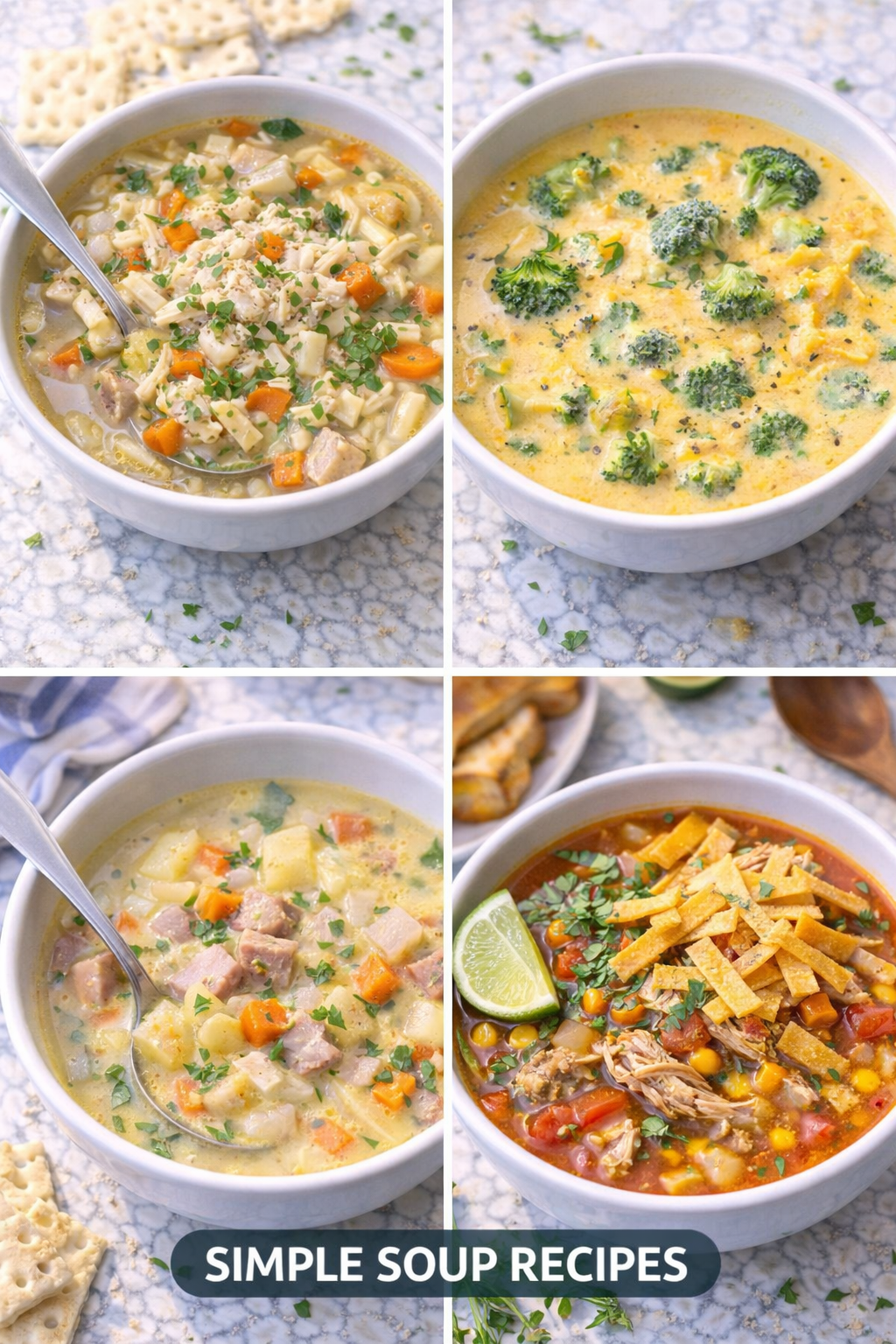
You know that feeling when you walk into a restaurant and the soup of the day sounds so good you almost forget to order an entrée?
Yeah, that’s what we’re making today. Except you’re doing it at home, in one pot, without a culinary degree.
I used to think soup was boring. Like, something you ate when you were sick or when there was literally nothing else in the fridge. Then I started making it myself and realized soup is actually one of the most comforting, flavorful, and ridiculously easy things you can throw together on a weeknight.
The best part? You can make a huge batch, freeze half of it, and have dinner sorted for next week when you inevitably forget to meal prep.
So if you’re ready to stop ordering takeout and start feeling like an actual chef (even if you’re just heating up one pot on the stove), this recipe is for you.
What You’ll Need
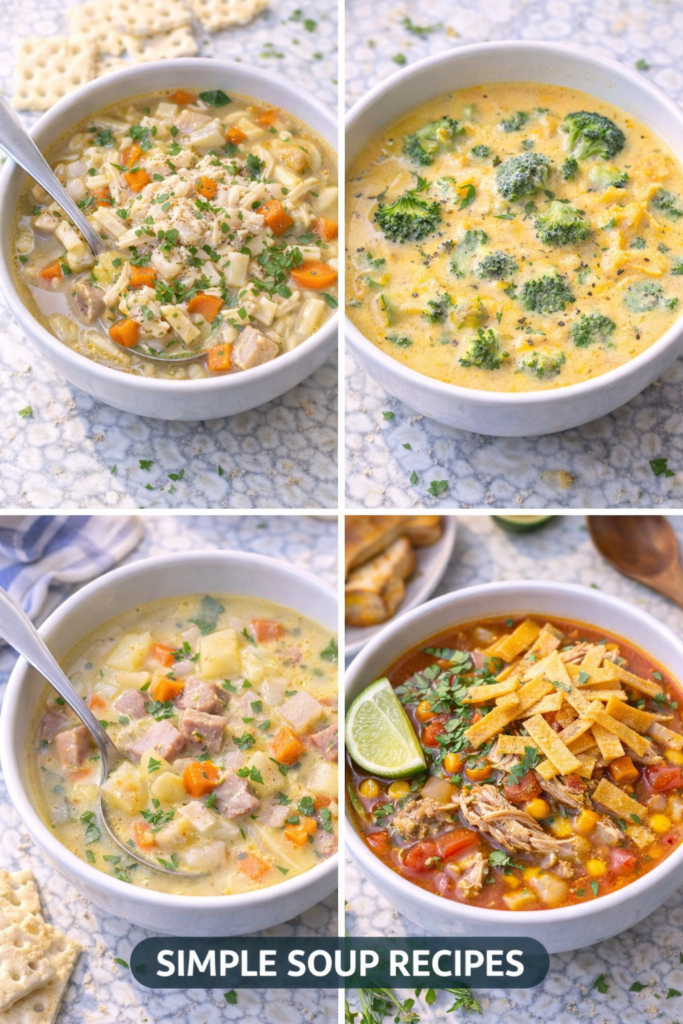
For the Base:
- 2 tablespoons olive oil
- 1 medium yellow onion, diced
- 3 cloves garlic, minced
- 4 cups chicken or vegetable broth (I prefer low-sodium so I can control the salt)
- 1 can (14.5 oz) diced tomatoes
- 1 teaspoon dried basil
- 1 teaspoon dried oregano
- ½ teaspoon smoked paprika
- Salt and pepper to taste
For the Soup:
- 2 medium carrots, peeled and diced
- 2 celery stalks, diced
- 1 medium zucchini, diced
- 1 can (15 oz) white beans (cannellini or great northern), drained and rinsed
- 2 cups fresh spinach or kale, roughly chopped
- 1 cup small pasta (ditalini, orzo, or small shells work great)
Optional Toppings:
- Freshly grated Parmesan cheese
- Fresh basil leaves
- Crusty bread for dipping
- A drizzle of good olive oil
- Red pepper flakes if you like heat
Tools You’ll Need
- Large pot or Dutch oven (at least 5-6 quarts)
- Sharp knife and cutting board
- Wooden spoon or ladle
- Measuring cups and spoons
- Can opener
That’s it. No fancy equipment, no food processor, no immersion blender. Just basic kitchen stuff you probably already own.
Pro Tips
Don’t skip sautéing the aromatics. I know it’s tempting to just dump everything in the pot and walk away, but taking 5 minutes to cook the onion and garlic in olive oil makes a huge difference. It builds flavor from the ground up and makes your whole kitchen smell amazing.
Add the pasta at the right time. If you’re planning to freeze any of this soup, cook the pasta separately and add it just before serving. Pasta soaks up liquid like crazy when it sits, and you’ll end up with mush instead of soup. Trust me on this one.
Taste as you go. This sounds obvious, but I can’t tell you how many times I’ve made soup, forgotten to taste it halfway through, and ended up with something bland. Season in layers. Add a little salt after you sauté the veggies, add more when the broth goes in, and finish with a final adjustment at the end.
Use the best broth you can find. If your broth tastes like cardboard, your soup will too. I usually go for organic, low-sodium options. You can also make your own if you’re feeling ambitious, but honestly, store-bought works great.
Let it simmer longer than you think. Even though this is a “simple” soup, giving it at least 20-30 minutes to simmer lets all the flavors blend together. It’s the difference between “this tastes like vegetables in water” and “wow, this actually tastes like soup.”
How to Make It
Step 1: Sauté the aromatics
Heat the olive oil in your large pot over medium heat. Once it’s shimmering (but not smoking), add the diced onion.
Cook for about 5 minutes, stirring occasionally, until it’s soft and translucent. You’re not trying to brown it, just cook out the raw onion flavor.
Add the garlic and cook for another minute, stirring constantly so it doesn’t burn. Your kitchen should smell incredible right about now.
Step 2: Build the base
Pour in the chicken or vegetable broth, then add the diced tomatoes (with their juice), basil, oregano, and smoked paprika.
Give it a good stir and bring everything to a simmer. This is where the magic starts happening.
Step 3: Add the vegetables
Toss in the carrots and celery first since they take longer to cook. Let them simmer for about 10 minutes until they start to soften.
Then add the zucchini and white beans. Stir everything together and let it cook for another 10 minutes.
The vegetables should be tender but not mushy. You still want a little texture here.
Step 4: Cook the pasta
If you’re eating this soup right away, go ahead and add the pasta directly to the pot. It’ll take about 8-10 minutes to cook, depending on the shape you’re using.
If you’re planning to store leftovers, cook the pasta separately in a pot of salted boiling water, drain it, and add it to individual bowls when serving.
Step 5: Finish with greens
Once the pasta is cooked, stir in the spinach or kale. It’ll wilt down in just a minute or two.
Taste your soup and adjust the seasoning. You’ll probably need more salt and pepper, maybe a pinch more herbs. Make it yours.
Step 6: Serve
Ladle the soup into bowls and top with Parmesan, fresh basil, or whatever else sounds good to you.
Serve it with crusty bread on the side for dipping. This is non-negotiable in my house.
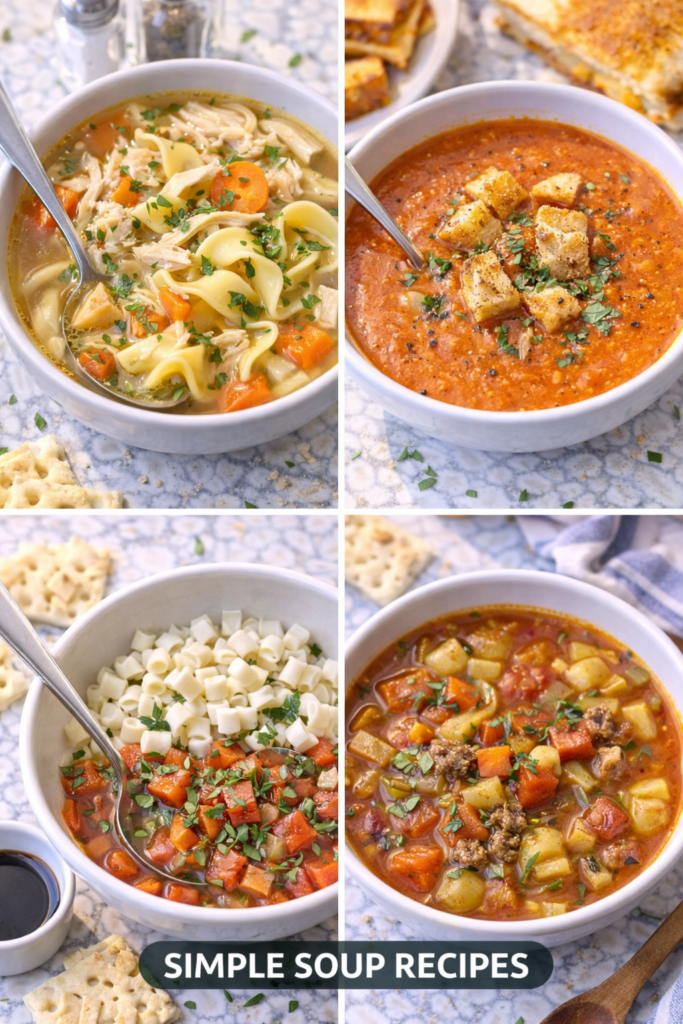
Substitutions and Variations
Make it creamy: Stir in ½ cup of heavy cream or coconut milk at the end for a richer, creamier soup. It completely changes the vibe in the best way.
Swap the vegetables: Use whatever you have on hand. Potatoes, green beans, bell peppers, and mushrooms all work great. Frozen veggies are fine too if that’s what you’ve got.
Change the beans: Chickpeas, black beans, or kidney beans work just as well as white beans. Or skip them entirely if you’re not a bean person.
Add protein: Shred some rotisserie chicken and stir it in at the end. Or cook some Italian sausage (removed from the casing and crumbled) along with the onions for a heartier soup.
Make it spicy: Add a diced jalapeño when you sauté the onions, or finish with a drizzle of hot sauce and some red pepper flakes.
Go gluten-free: Use gluten-free pasta or skip the pasta altogether and add extra vegetables or beans.
Try different herbs: Fresh thyme, rosemary, or parsley would all be delicious here. I sometimes throw in a Parmesan rind while the soup simmers for extra flavor (just fish it out before serving).
Make Ahead Tips
This soup is actually better the next day after all the flavors have had time to hang out together.
You can make the entire thing up to 3 days in advance. Just store it in an airtight container in the fridge and reheat it on the stove when you’re ready to eat.
If you want to freeze it, let the soup cool completely, then transfer it to freezer-safe containers. It’ll keep for up to 3 months.
When you’re ready to eat it, thaw it in the fridge overnight and reheat on the stove. Add a splash of broth or water if it’s too thick.
And remember: if you’re freezing it, don’t add the pasta until you’re ready to serve. Cook it fresh and stir it in when you reheat the soup.
Leftovers and Storage
Store leftover soup in an airtight container in the fridge for up to 4 days.
The pasta will continue to absorb liquid as it sits, so you might need to add a little extra broth when you reheat it. Just warm it up on the stove over medium heat, stirring occasionally.
You can also microwave individual portions, but I think it tastes better reheated on the stovetop.
If you froze it, thaw it overnight in the fridge and reheat on the stove. Don’t try to microwave it from frozen, it’ll heat unevenly and you’ll end up with soup that’s lava-hot on the edges and ice-cold in the middle.
Nutritional Information (Per Serving, Makes 6 Servings)
- Calories: 245
- Protein: 11g
- Carbohydrates: 38g
- Fiber: 8g
- Fat: 6g
- Sodium: 620mg (varies based on broth used)
- Vitamin A: 85% DV
- Vitamin C: 45% DV
- Iron: 15% DV
This soup is naturally high in fiber and packed with vegetables, making it a great option if you’re trying to eat healthier without feeling like you’re on a diet.
It’s also relatively low in calories but super filling, especially if you serve it with bread.
Meal Pairing Suggestions
This soup is pretty versatile and goes with just about anything, but here are a few of my favorite pairings:
Garlic bread: Toasted sourdough rubbed with garlic butter is the classic move. You can’t go wrong.
Grilled cheese: Make it a proper comfort food dinner with a gooey grilled cheese on the side. Dip it in the soup and thank me later.
Simple salad: If you want to keep it light, a green salad with a lemon vinaigrette balances out the richness of the soup.
Roasted vegetables: Throw some Brussels sprouts or asparagus in the oven while the soup simmers for a complete meal.
Charcuterie board: This might sound fancy, but a small board with cheese, crackers, and cured meats makes the soup feel like a full dinner party spread.
Cooking Time Efficiency Tips
If you’re short on time (and honestly, who isn’t?), here’s how to make this soup even faster:
Prep everything the night before. Chop all your vegetables and store them in the fridge. When you get home, you can just dump and cook.
Use pre-chopped vegetables. The frozen veggie aisle is your friend. Grab a bag of mirepoix (pre-diced onions, carrots, and celery) and cut your prep time in half.
Double the recipe. It takes the same amount of time to make a double batch, and you’ll have soup for days. Future you will be so grateful.
Cook the pasta separately while the soup simmers. Instead of waiting for the soup to be done before adding pasta, boil it in a separate pot at the same time. Everything will be ready at once.
FAQ
Can I make this soup in a slow cooker?
Yep! Sauté the onions and garlic in a pan first (this step is worth it, I promise), then transfer everything except the pasta and greens to your slow cooker. Cook on low for 6-8 hours or high for 3-4 hours. Add the pasta and greens in the last 15 minutes of cooking.
Is this soup vegan?
It can be! Just use vegetable broth instead of chicken broth and skip the Parmesan (or use a vegan version). Everything else is plant-based.
Can I use fresh tomatoes instead of canned?
Sure, but canned tomatoes actually have more concentrated flavor. If you want to use fresh, you’ll need about 3-4 medium tomatoes, diced. You might also want to add a tablespoon of tomato paste for extra depth.
Why is my soup too watery?
If your soup is thin, let it simmer uncovered for 10-15 minutes to reduce the liquid. You can also add more vegetables, beans, or pasta to bulk it up. Or blend a cup of the soup and stir it back in to thicken it naturally.
Can I use a different type of pasta?
Absolutely. Any small pasta works here. Elbows, shells, farfalle, or even broken-up spaghetti will do the trick. Just adjust the cooking time based on the package directions.
How can I make this soup more filling?
Add more protein! Shredded chicken, Italian sausage, or even a can of tuna would work. You can also add potatoes or extra beans to make it heartier.
What if I don’t have all the spices listed?
Italian seasoning is a great substitute for the basil and oregano. Or just use whatever dried herbs you have on hand. The soup will still taste good, it’ll just have a slightly different flavor profile.
Can I make this on the stovetop and then transfer it to a slow cooker to keep warm?
Yes! This is perfect if you’re serving it for a party. Make it on the stove, then transfer it to a slow cooker set to “warm” so it stays hot without overcooking.
Wrapping Up
Look, I’m not saying this soup will change your life, but it might change your weeknight dinner game.
It’s easy, it’s healthy, and it tastes like you actually tried (even if you were scrolling Instagram while it simmered).
Make a big batch, freeze half, and pull it out the next time you’re too tired to cook. Pair it with some crusty bread and call it a win.
And if you end up making this, I’d love to hear how it turned out! Drop a comment below and let me know if you swapped anything, added extra veggies, or made it your own. Or if you have questions, ask away. I’m here for it.
AI Image Prompt
Create a comprehensive 9:16 image that shows all of the following ingredients and tools on white marble counters with hints of gold, natural lighting, taken with an iPhone 15 Pro with the popular top-down shot used by bloggers:
Ingredients visible:
- 1 small glass bottle of olive oil
- 1 medium yellow onion, whole
- 3 cloves of garlic
- 1 carton of chicken or vegetable broth (showing 4 cups worth)
- 1 can of diced tomatoes (14.5 oz)
- Small glass bowls containing dried basil, dried oregano, and smoked paprika
- 2 medium carrots, whole
- 2 celery stalks
- 1 medium zucchini, whole
- 1 can of white beans (15 oz, cannellini or great northern)
- Fresh spinach or kale leaves
- Small bowl containing 1 cup of small pasta (ditalini, orzo, or small shells)
- Small bowl of salt and black pepper
- Block of Parmesan cheese with a grater
- Fresh basil sprigs
- Crusty bread loaf
Tools visible:
- Large Dutch oven or pot (5-6 quarts)
- Sharp chef’s knife
- Wooden cutting board
- Wooden spoon or ladle
- Measuring cups and measuring spoons set
- Can opener
The image should be styled with natural window lighting, the ingredients artfully arranged on white marble countertops with subtle gold veining, shot from directly above in a flat lay style, with the tools placed naturally around the ingredients as if someone is about to start cooking.