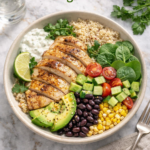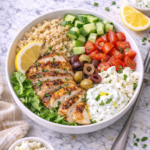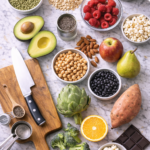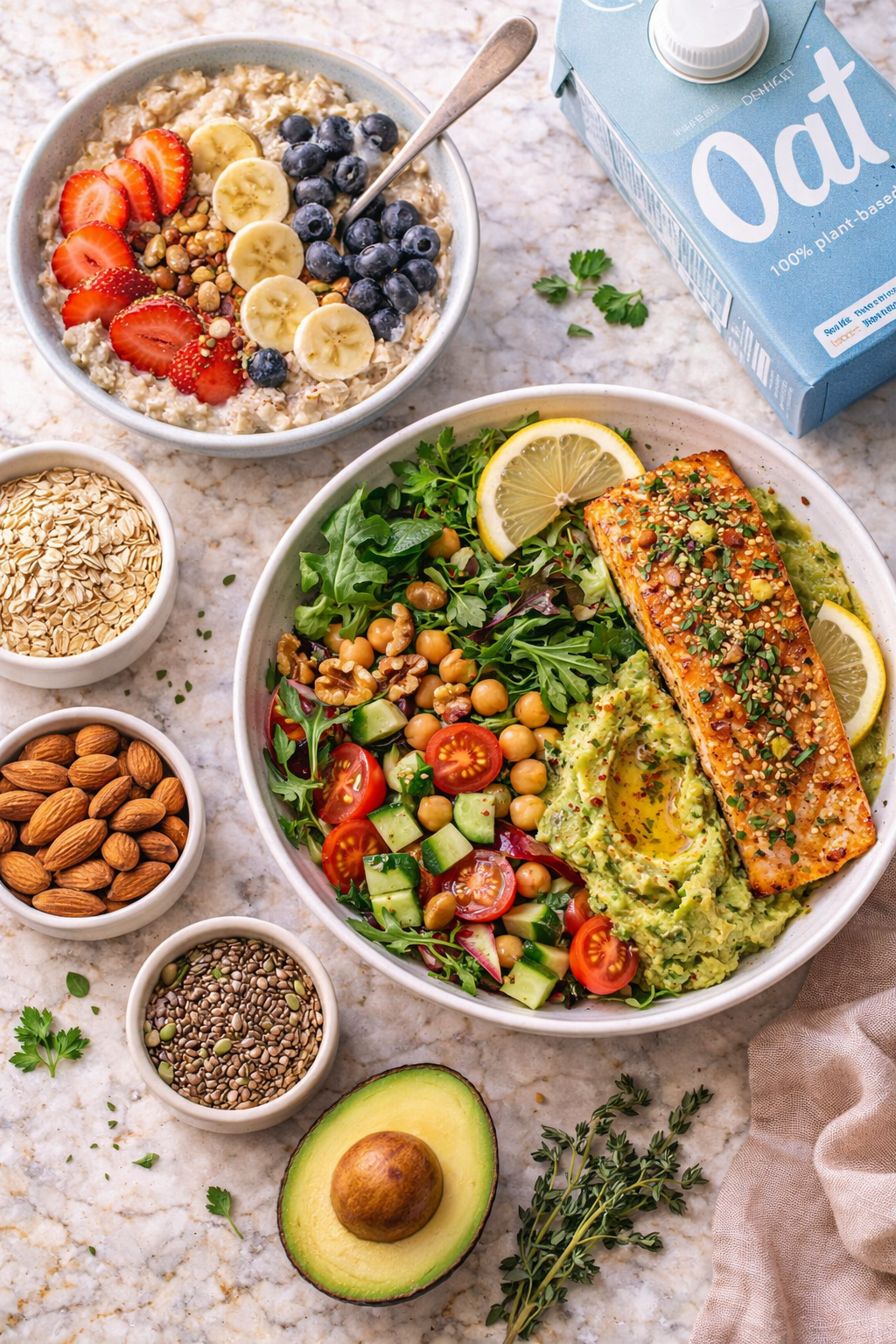
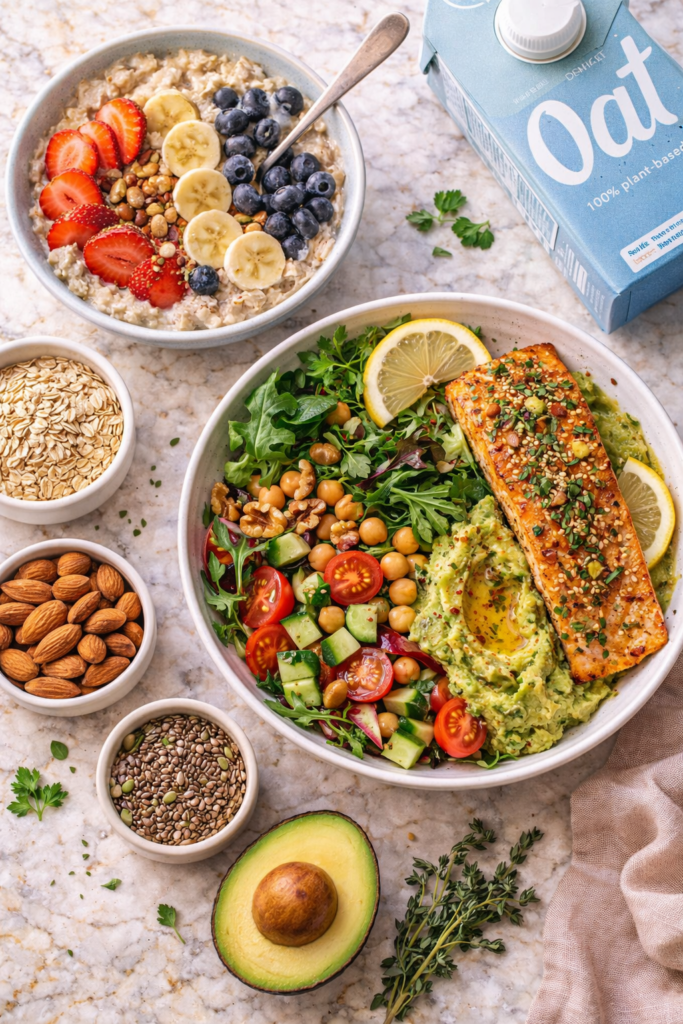
One bowl. Six cholesterol-fighting ingredients. And it tastes nothing like “diet food.” 🥗
High cholesterol isn’t a death sentence. But it is your body sending a pretty clear message.
The frustrating part? Most “heart-healthy” recipes out there are painfully boring. Bland steamed vegetables. Dry chicken. Food that makes you wish you hadn’t bothered.
So I built something different.
This Cholesterol-Lowering Buddha Bowl is packed with ingredients that are clinically shown to reduce LDL cholesterol, raise HDL cholesterol, and improve overall heart health. And it’s genuinely delicious enough that you’ll want to eat it three times a week without any guilt.
Stick with me until the Pro Tips section. There’s one ingredient in here that most people skip, and it’s the one that does the heaviest lifting. 👀
Why this actually works
Soluble fiber binds to cholesterol in the digestive system and physically drags it out of the body. Meanwhile, monounsaturated fats from avocado and olive oil actively raise HDL (the “good” kind) while lowering LDL. This bowl hits both mechanisms at once.
30Prep (min)
20Cook (min)
50Total (min)
2Servings
480Calories
Heart-healthy | Gluten-free adaptable | Dairy-free | High fiber
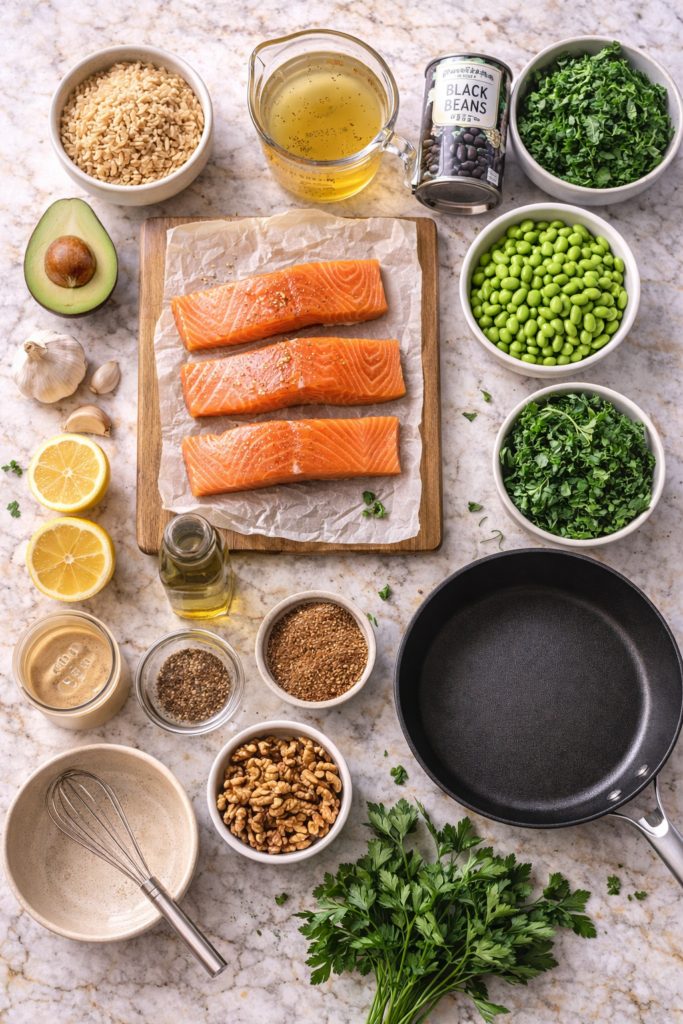
What You’ll Need
For the Bowl Base
1 cup dry brown rice (or quinoa)
2 cups low-sodium vegetable broth
1 can (15 oz) black beans, drained and rinsed
2 cups fresh kale, destemmed and chopped
1 ripe avocado, sliced
1 cup edamame, shelled (fresh or frozen)
For the Salmon (optional but recommended)
2 salmon fillets (6 oz each)
1 tbsp extra virgin olive oil
1 tsp garlic powder
Salt and pepper to taste
For the Tahini-Lemon Dressing
3 tbsp tahini
2 tbsp fresh lemon juice
1 tbsp extra virgin olive oil
1 garlic clove, minced
2-3 tbsp warm water (to thin)
Salt to taste
Toppings
2 tbsp ground flaxseed
2 tbsp walnuts, roughly chopped
1 tbsp sesame seeds
Handful of fresh parsley
Lemon wedges for serving
Tools You’ll Need
- Medium saucepan with lid (for the rice)
- Non-stick or cast-iron skillet (for the salmon)
- Small mixing bowl (for the dressing)
- Whisk or fork
- Cutting board and sharp knife
- Serving bowls (2)
- Measuring cups and spoons
✦ Pro Tips
- Don’t skip the flaxseed. Ground flaxseed is one of the most potent cholesterol-lowering foods you can add to a meal. It contains both soluble fiber and omega-3 fatty acids. The key word is ground — whole flaxseeds pass through undigested. Buy pre-ground or grind them yourself in 30 seconds with a coffee grinder.
- Cook your rice in broth, not water. Low-sodium vegetable broth adds a subtle depth of flavor that makes the brown rice taste like something you actually want to eat. It’s a small swap with a big payoff.
- Massage the kale. Sounds weird, but it works. Drizzle a tiny bit of olive oil on the kale, squeeze and rub it between your hands for 60 seconds. It breaks down the tough fibers, softens the texture, and takes away the bitter edge completely.
- Use fresh lemon juice in the dressing. Bottled lemon juice is noticeably flat. Fresh lemon brings a bright, sharp note that makes the whole bowl taste cleaner and more alive. Takes 30 extra seconds. Worth it every time.
- Let your salmon rest. Two minutes off the heat before flaking makes a huge difference. The flesh firms up slightly and holds together, rather than crumbling into dry chunks.
The Science Behind This Bowl
This isn’t just “eat your vegetables” advice. Each ingredient here has a specific mechanism for reducing cholesterol.
| Ingredient | What it does for cholesterol | Mechanism |
|---|---|---|
| Oats / Brown Rice | Lowers LDL | Soluble fiber binds to cholesterol in digestion |
| Black Beans | Lowers LDL, raises HDL | High soluble fiber content; plant protein replaces saturated fat sources |
| Avocado | Raises HDL, lowers LDL | Monounsaturated fats (MUFAs) improve cholesterol quality |
| Salmon | Lowers triglycerides, raises HDL | Omega-3 fatty acids (EPA + DHA) |
| Flaxseed | Lowers LDL | Soluble fiber + plant omega-3s (ALA) |
| Walnuts | Lowers LDL, heart-protective | Omega-3 fats + polyunsaturated fats |
| Kale | Lowers LDL | Fiber + antioxidants; cruciferous veggies get a special callout from cardiologists |
| Extra Virgin Olive Oil | Raises HDL, lowers LDL | The only oil shown to do both simultaneously |
| Edamame | Lowers LDL | Soy proteins (glycinin and B-conglycinin) reduce cholesterol absorption |
The American Heart Association recommends eating fatty fish at least twice a week for heart health. This bowl makes that easy.
Substitutions and Variations
Protein Swaps
- No salmon? Use canned sardines (actually higher in omega-3s), mackerel, or grilled tofu for a plant-based option
- Vegetarian/vegan version: Skip the salmon, double the black beans and edamame, add hemp seeds for a complete amino acid profile
- Chicken version: Grilled skinless chicken breast works, though you’ll miss the omega-3 benefit from fatty fish
Grain Swaps
- Quinoa cooks faster (15 min vs 45 min) and has a complete protein profile
- Farro has a nuttier flavor and higher fiber content
- Cauliflower rice keeps this lower-carb without sacrificing the bowl structure
Dressing Swaps
- Miso-ginger dressing for an umami-forward version
- Simple lemon-olive oil if you want something lighter
- Hummus thinned with lemon juice works beautifully and adds more fiber
Diet Adaptations
| Diet | Swap |
|---|---|
| Gluten-free | Brown rice or quinoa (already GF); check broth labels |
| Vegan | Skip salmon; add extra edamame + hemp seeds |
| Low-sodium | Use unsalted broth, rinse canned beans thoroughly |
| Nut-free | Replace walnuts with pumpkin seeds (pepitas) |
Make-Ahead Tips
This bowl is a meal-prep dream. Here’s how to set yourself up for the whole week:
- Rice: Cook a large batch on Sunday. Stays good in the fridge for 5 days.
- Beans: Drain, rinse, and store in an airtight container for up to 4 days.
- Dressing: Make a double or triple batch. Keeps for 1 week in a jar. Shake before using.
- Kale: Pre-massage and store in the fridge for up to 3 days. Already softened, ready to go.
- Salmon: Best cooked fresh, but can be batch-cooked and refrigerated for 2 days. Reheat gently or enjoy cold.
- Avocado: Always slice fresh to prevent browning. Keep uncut until ready to serve.
How to Make It
1
Cook the rice. Add brown rice and vegetable broth to a medium saucepan. Bring to a boil, reduce to a simmer, cover, and cook for 40-45 minutes until all liquid is absorbed. Remove from heat and let steam for 5 minutes, then fluff with a fork.
2
Prep the kale. While the rice cooks, add chopped kale to a large bowl, drizzle with a few drops of olive oil, and massage firmly with your hands for 60 seconds until softened and slightly darkened. Set aside.
3
Make the dressing. Whisk together tahini, lemon juice, olive oil, and minced garlic in a small bowl. Add warm water one tablespoon at a time until pourable. Season with salt. Taste and adjust.
4
Cook the edamame. If using frozen, follow package directions (usually 3-4 minutes in boiling water). Drain and season lightly with salt.
5
Cook the salmon. Pat fillets dry and season with garlic powder, salt, and pepper. Heat olive oil in a skillet over medium-high heat. Place salmon skin-side down and cook for 4-5 minutes without moving. Flip and cook for 2-3 more minutes. Remove from heat and let rest 2 minutes before flaking.
6
Warm the black beans. Add drained black beans to the same skillet over low heat for 2-3 minutes. Season lightly with salt and a squeeze of lemon.
7
Build the bowl. Divide rice between two bowls. Arrange kale, black beans, edamame, avocado slices, and flaked salmon in sections over the rice.
8
Top and serve. Drizzle generously with tahini dressing. Sprinkle ground flaxseed, walnuts, and sesame seeds over the top. Add fresh parsley and a lemon wedge. Serve immediately.
Nutritional Breakdown
| Nutrient | Per Serving (approx.) | Why It Matters |
|---|---|---|
| Calories | ~480 kcal | Satisfying without overdoing it |
| Protein | ~38g | Keeps you full; reduces overeating (which raises cholesterol) |
| Dietary Fiber | ~14g | Over 50% of the daily recommended 25g; directly lowers LDL |
| Soluble Fiber | ~6-7g | Targets LDL specifically; aim for 10-25g daily |
| Omega-3 Fatty Acids | ~2,800mg | Lowers triglycerides; raises HDL |
| Saturated Fat | <4g | Well under the 10-13g daily limit for heart health |
| Sodium | ~380mg | Low; high sodium raises blood pressure alongside cholesterol |
Meal Pairing Suggestions
This bowl works well as a standalone meal, but if you’re building a full heart-healthy day around it:
- Morning: Oatmeal with berries and ground flaxseed (more soluble fiber, powerful combo)
- Afternoon snack: Apple slices with almond butter (pectin in apples is a soluble fiber superstar)
- Drink alongside: Green tea has been shown in studies to reduce both total and LDL cholesterol levels
- Dessert: A square or two of dark chocolate (70%+ cocoa) has antioxidants that may lower LDL and reduce inflammation
Leftovers and Storage
- Assembled bowls: Best eaten immediately due to the avocado. If meal-prepping, store components separately.
- Rice and beans: Airtight container, refrigerator, up to 5 days.
- Cooked salmon: Refrigerator, up to 2 days. Reheat gently at low heat or enjoy cold over the same bowl ingredients.
- Dressing: Glass jar in the refrigerator, up to 7 days. Will thicken — just add a splash of water and shake.
- Prepped kale: Refrigerator, up to 3 days after massaging.
- Freezing: The rice and beans freeze well (up to 3 months). The remaining ingredients are best fresh.
Frequently Asked Questions
How fast can diet changes actually lower cholesterol?
It varies by person, but studies show that dietary changes can produce measurable LDL reductions within 4-6 weeks when consistently followed. Plant sterols and soluble fiber, specifically, show results within a few weeks of daily consumption. This isn’t an overnight fix, but it works.
Can I eat this bowl if I’m on cholesterol-lowering medication?
Yes, and many doctors actually encourage dietary changes alongside medication since they work through different mechanisms. That said, always talk to your doctor or a registered dietitian before making significant dietary changes, especially if you’re on statins or other medications.
Is brown rice really better than white rice for cholesterol?
Brown rice retains the bran layer that white rice has stripped away, which means significantly more fiber. Whole grains also have zero cholesterol and their fiber content helps prevent cholesterol absorption from other foods you eat. White rice technically won’t hurt, but you’d lose one of the key cholesterol-fighting elements.
What if I don’t like tahini?
Sunflower seed butter is a very similar swap in both texture and nutrition. Hummus thinned with lemon juice and water also works perfectly and actually adds more fiber to the meal.
Is eating avocado every day okay for cholesterol?
Research suggests that adding two servings of avocado per week to a heart-healthy diet can lower your risk of heart disease. The monounsaturated fats in avocado are exactly the type cardiologists recommend replacing saturated fats with. Daily consumption is fine for most people in reasonable portions.
Can I make this vegan?
Absolutely. Skip the salmon and double up on black beans and edamame for protein. Add 2 tbsp of hemp seeds as a topping for complete amino acids and extra omega-3s. The bowl is just as filling and hits the same cholesterol-lowering targets.
How much soluble fiber do I actually need per day?
Guidelines recommend 10 to 25 grams of soluble fiber per day for cholesterol management. This bowl alone provides roughly 6-7 grams, which is a significant portion. Pair it with an oatmeal breakfast and some fruit and you’re hitting the target without even trying.
Wrapping Up
Here’s the thing about lowering cholesterol through food: it doesn’t have to feel like punishment.
This bowl proves that. Every ingredient is there for a reason, backed by real science, and it tastes good enough that you’ll actually make it again.
The people who see real results aren’t the ones who white-knuckle their way through a miserable diet. They’re the ones who found a few meals they genuinely enjoy eating that also happen to be doing the work quietly in the background.
This is one of those meals.
Make it once this week. Let me know in the comments what you changed, what you loved, or whether your doctor is about to be pleasantly surprised at your next bloodwork. I read every comment and I’d love to hear how it goes. 💚